Chapter 1
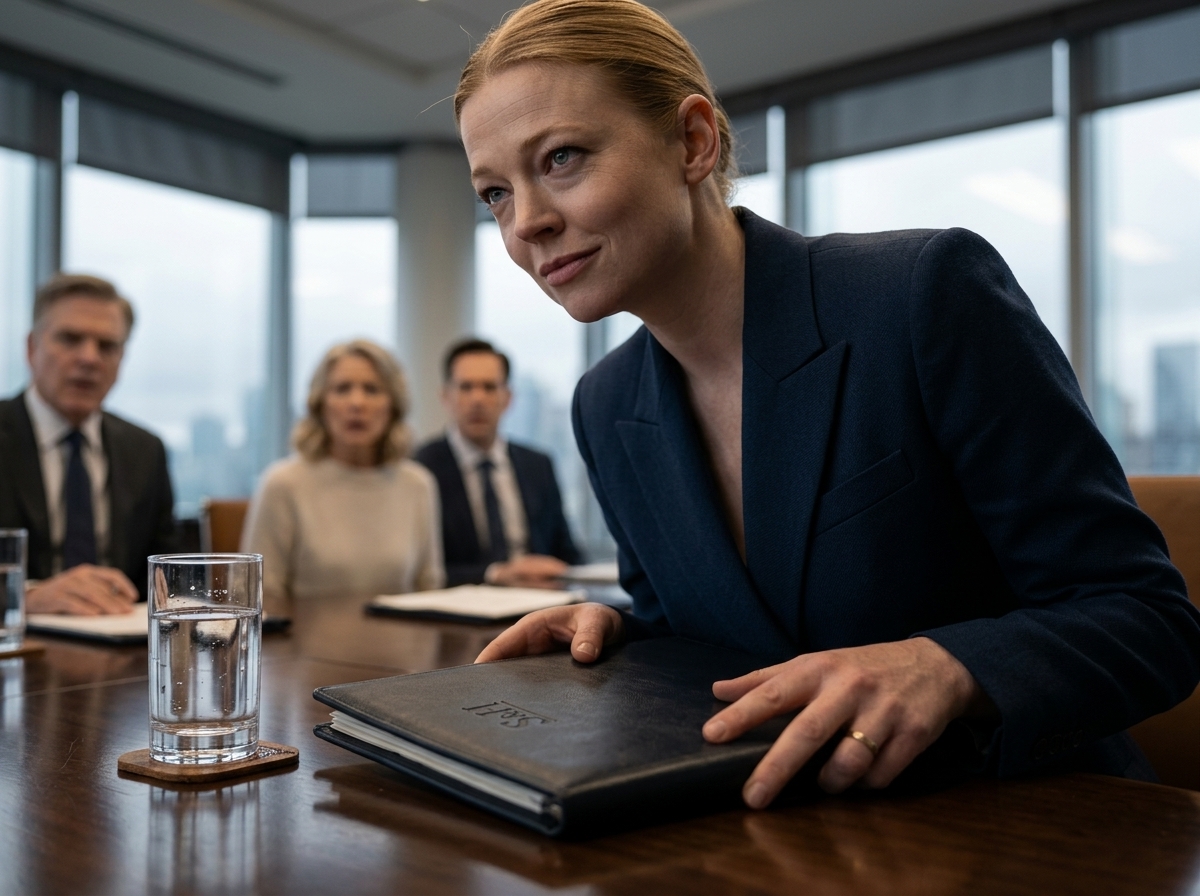
My name is Emma Anderson, and the morning my grandmother's attorney called to confirm the Friday reading, I was closing a forty-seven million dollar acquisition on the other line.
I asked her to hold.
That is not something I say to impress anyone. I say it because the order of those two things matters. The acquisition had been in motion for nine months. It involved three distressed commercial properties in the Eastside corridor, a seller who had been watching the market move against him for two years, and a financing structure I had spent four months negotiating down to terms that made sense. It closed at eleven-fourteen on a Thursday morning, and at eleven-fifteen I switched lines and confirmed that I would be at Whitmore and Associates on Friday at two o'clock.
Then I called David Morrison and told him to be there as well.
My grandmother's name was Helen Grace Anderson. She was eighty-one years old when she died and she had never, in my memory, done anything by accident. She built a real estate portfolio from a single duplex in Renton that she bought with her own money at age twenty-seven and managed herself for six years before anyone thought she knew what she was doing. By the time she was forty she owned twelve properties. By the time she was sixty she had restructured twice, liquidated strategically, and reinvested in ways that her own accountant had initially advised against and later congratulated her on. She was the kind of woman who moved slowly enough that people stopped watching her, which was, I had come to understand, the point.

Five years ago she started calling me on Wednesday afternoons. At first I drove to her house in Madrona for lunch because she had asked and because I loved her and because saying no to my grandmother required more energy than I was willing to spend. Then I kept going because something about the conversations was different from every other conversation I had in my professional life, which was that she asked questions she did not already know the answers to and she listened to what I actually said.
She asked about distressed assets. About debt structures. About why I bought companies other people had written off. About what the difference was between a business that was failing and a business that was being undervalued by the wrong buyer.
One afternoon in September, three years before she died, she put down her tea and looked at me with the specific attention of a woman who has been watching something for a long time and has arrived at her conclusion.
"They underestimate you, Emma," she said. "That is useful. Just don't make the mistake of believing them."
I had been carrying that sentence for three years by the time Olivia's text arrived.
Family meeting Friday. 2:00 p.m. Grandma's will reading. Don't make a scene. Marcus will be there.
May you like
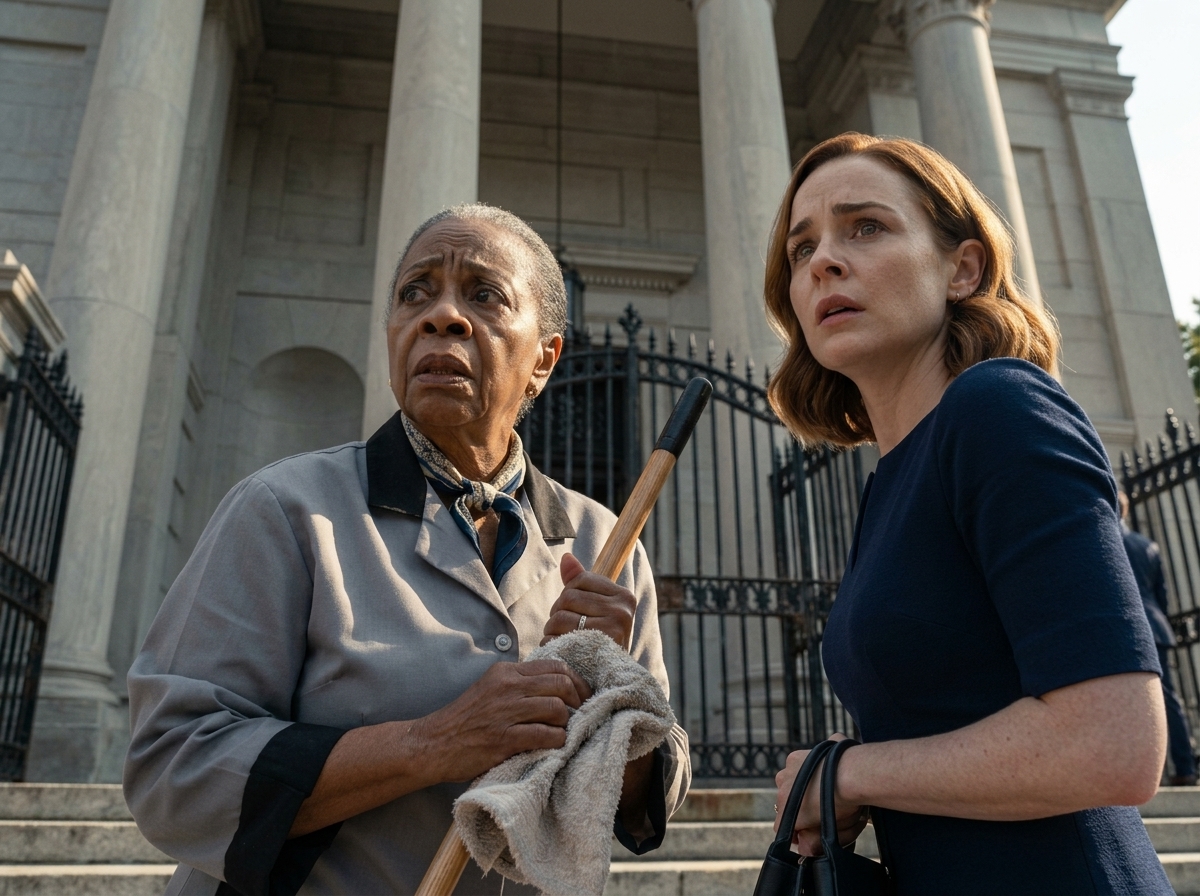
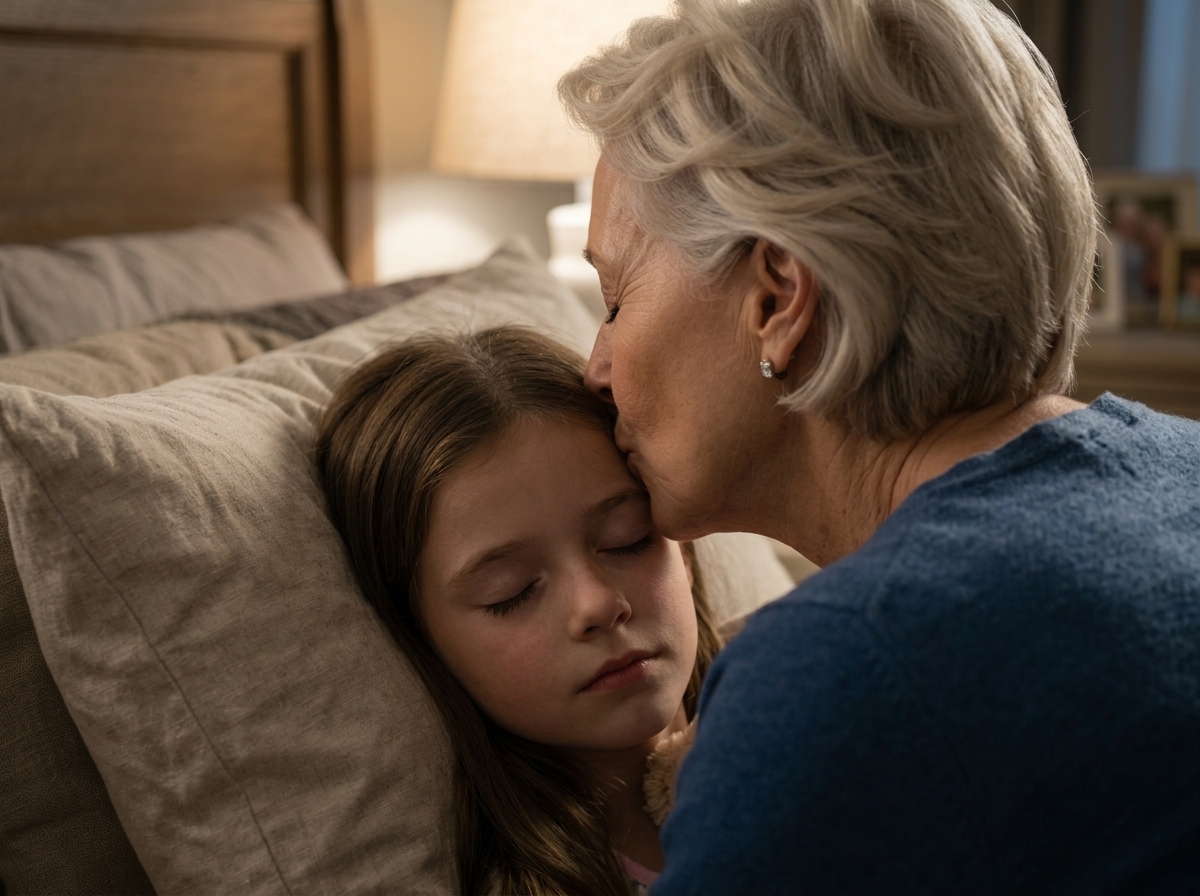
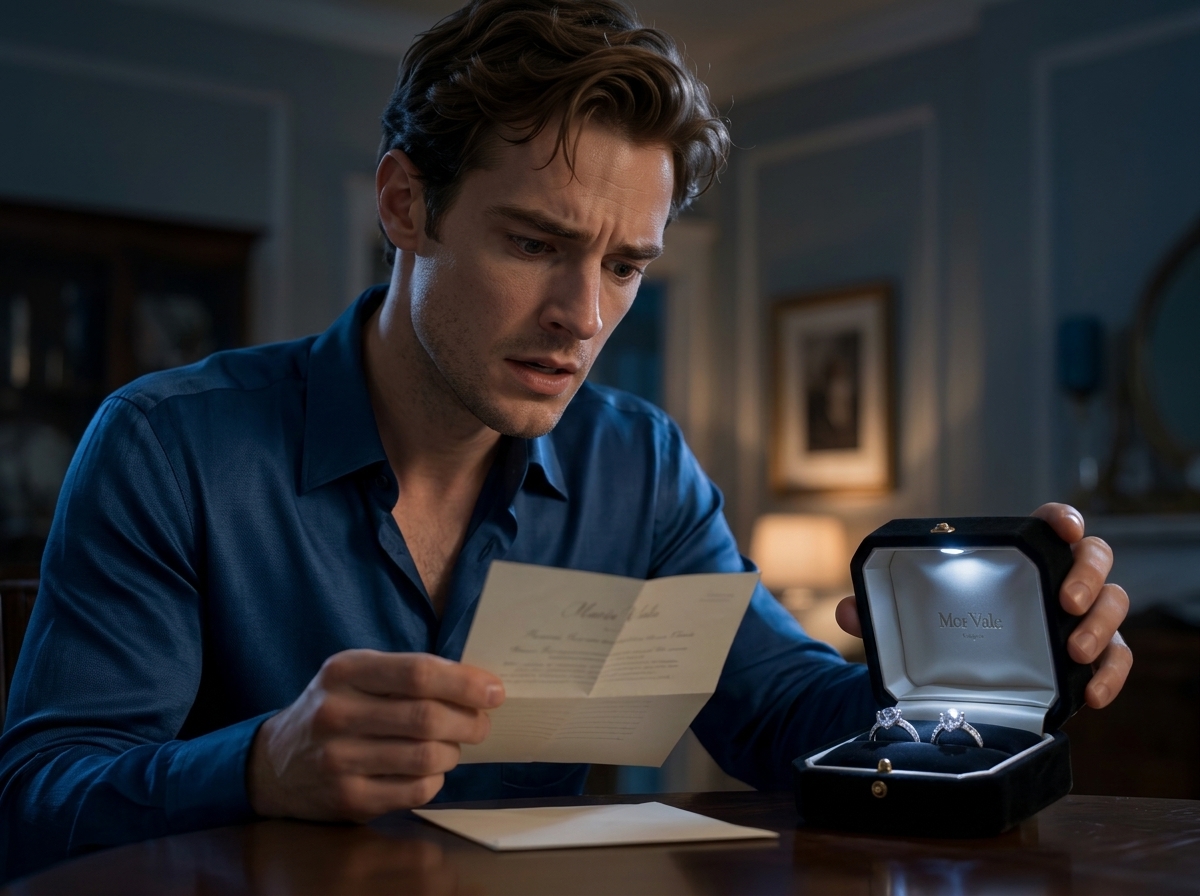
No hello. No acknowledgment of grief. No recognition that the woman we were meeting to discuss had been a person I had sat beside in hospice for eleven days while my sister managed the situation remotely from a distance she called appropriate.
I replied that I would be there.