Chapter 5
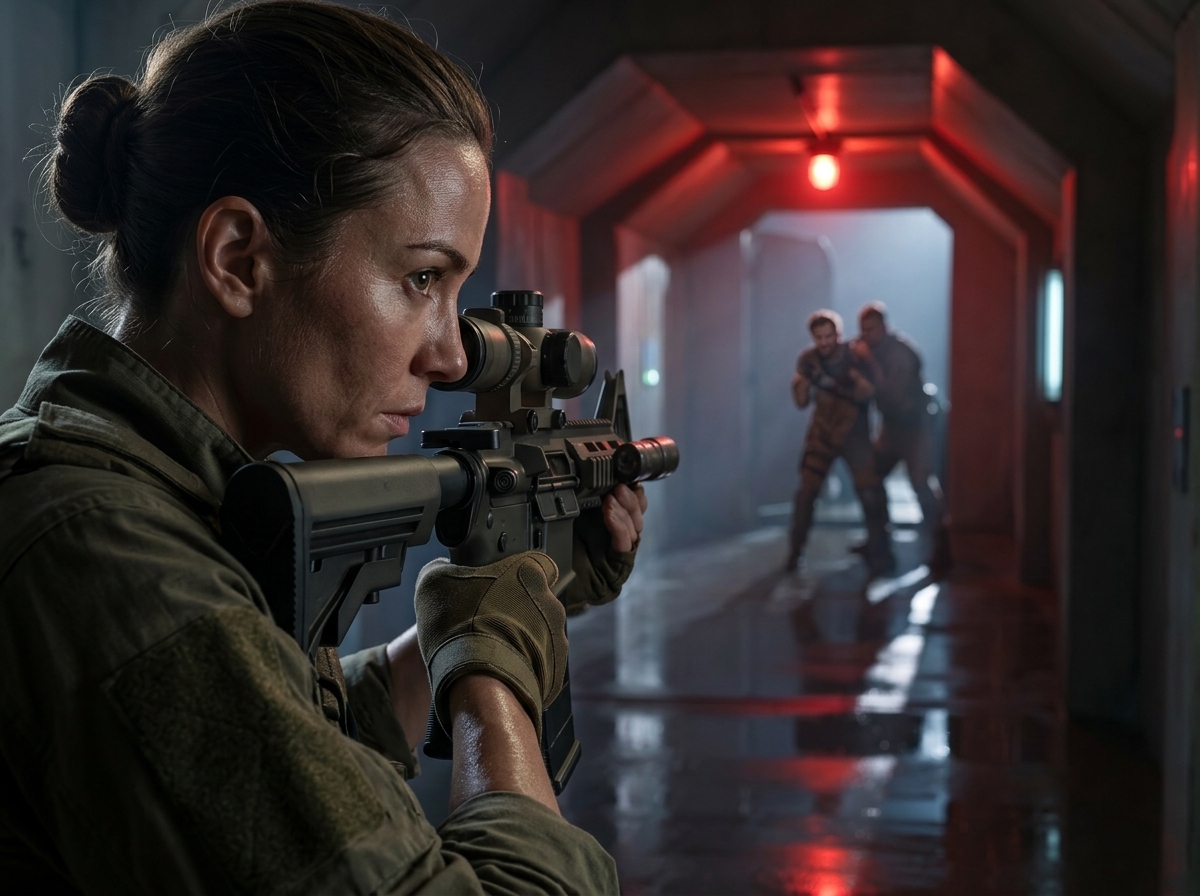
Hayes stood in the doorway looking at where the captor had been, then at Cole getting to his feet with the operators' help, then at me.
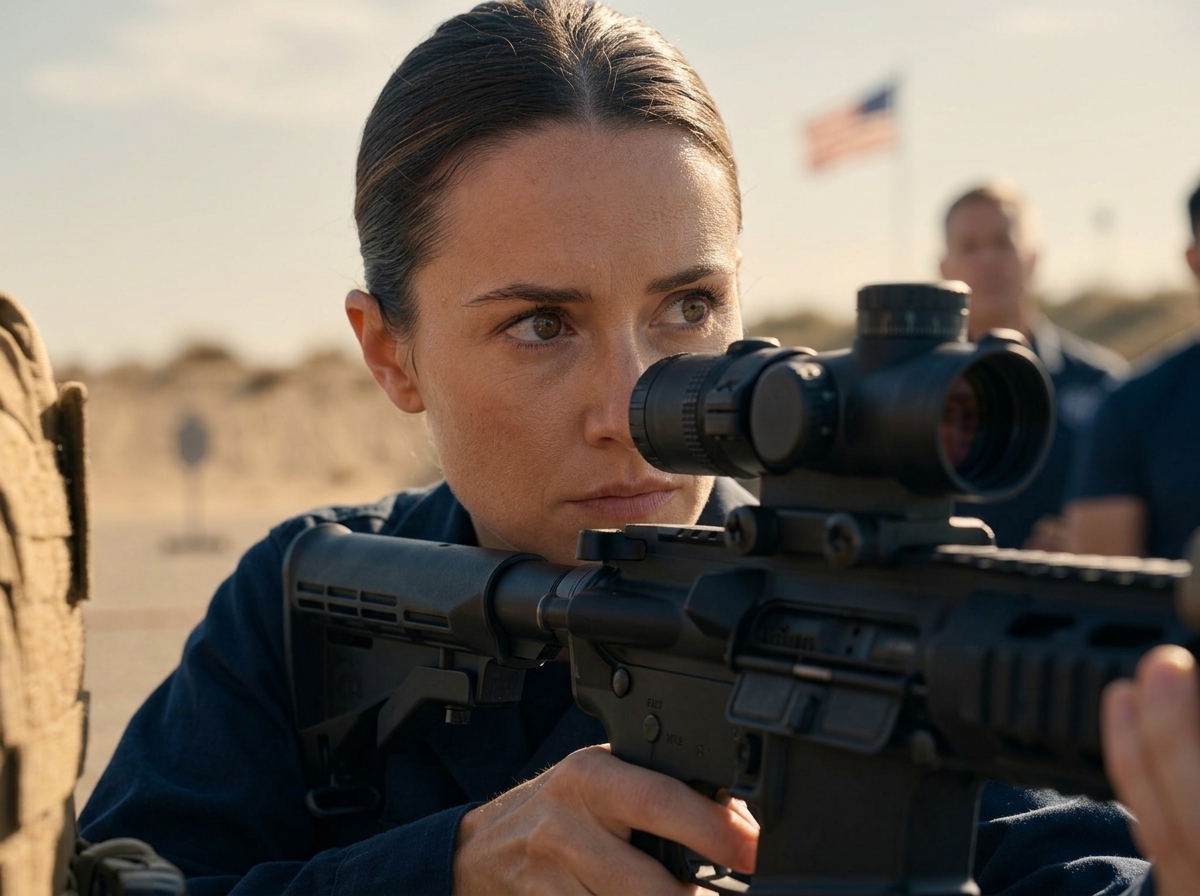
He looked at the rifle.
He looked at me again.
"Vance—" he started.
"Next time," I said, lowering the rifle, "read the mission before judging the tool."
The exfil took forty minutes from the bunker to the extraction point. Miller was alive — the DShK had caught his left arm and his vest had caught the rest of it, and the arm was a problem but a survivable one, the kind of problem that produces recovery time and physical therapy and a story a man tells for the rest of his life about the night the fourteen-pound fishing rod kept him breathing. Cole walked the exfil route under his own power, which was more than anyone had projected given the nine days.
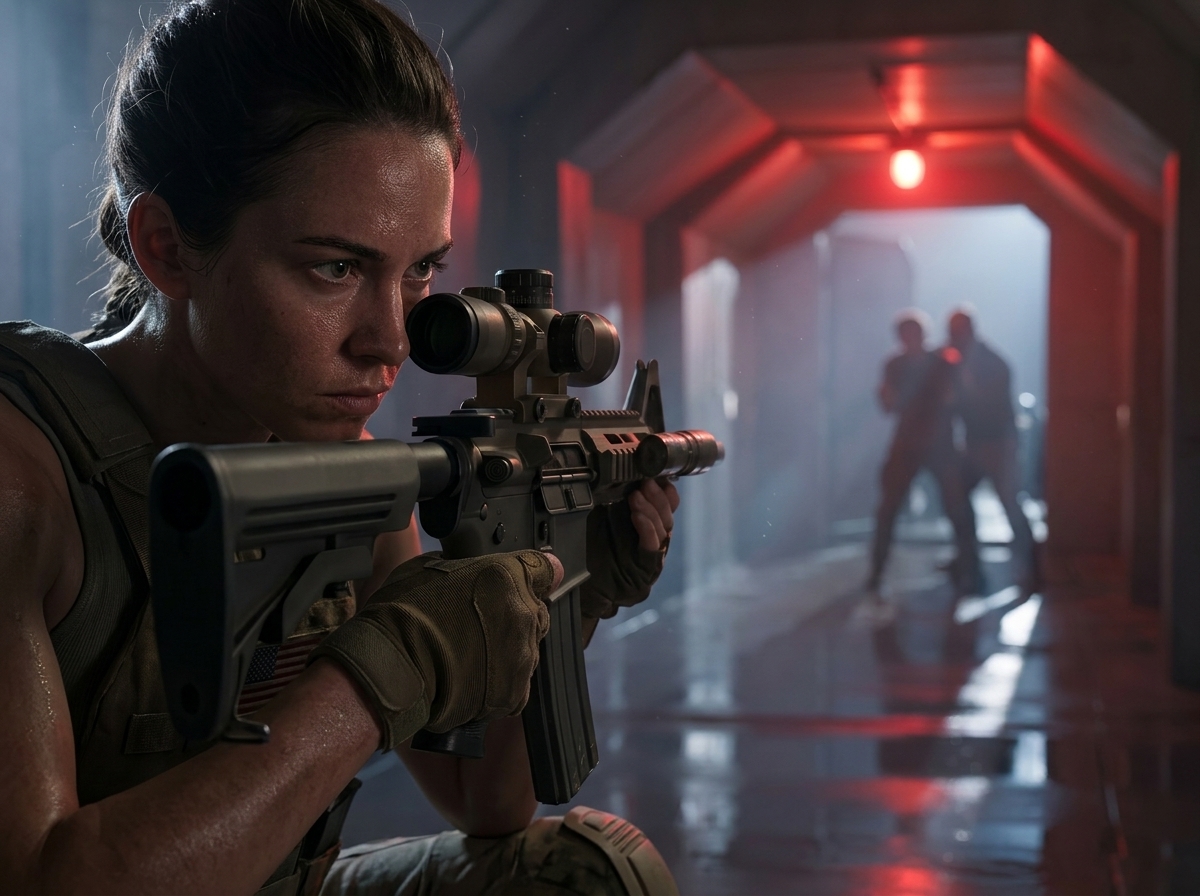
In the debrief, Hayes's account of the bunker engagement was accurate. He did not editorialize. He described the emplacement, the gun slit, the wind conditions, the shot, and the bunker engagement in sequence, and at no point in the recorded debrief did he characterize any of my decisions as unauthorized or excessive. The terrain analysis that had flagged the overwatch requirement was entered into the mission record as predictive of the actual engagement conditions, which was another way of saying that the fourteen-pound rifle had been the correct equipment for the mission from the beginning.
Cole asked to see me before the medical teams took him for the full post-captivity workup. He was sitting on a crate in the staging area with a blanket over his shoulders and the particular composure of someone who has been running threat assessments for so long that composure is not an effort but a default state.
He looked at the rifle case.
"Four-hundred-yard weapon in a twelve-foot corridor," he said.
"The corridor was eleven feet," I said. "I measured on the way out."
He almost smiled. "The shot in the bunker."
May you like
"Yes."
"Two inches left of where you needed it."