Chapter 1
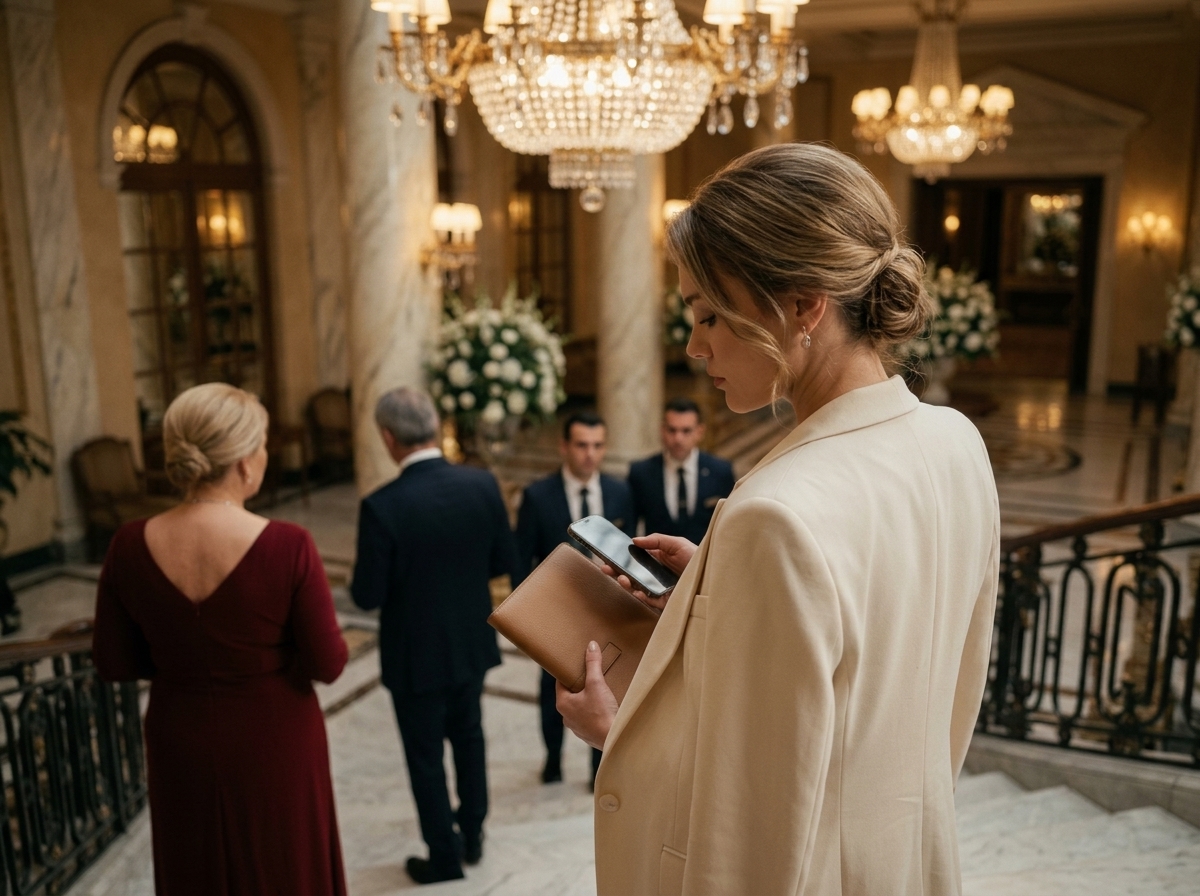
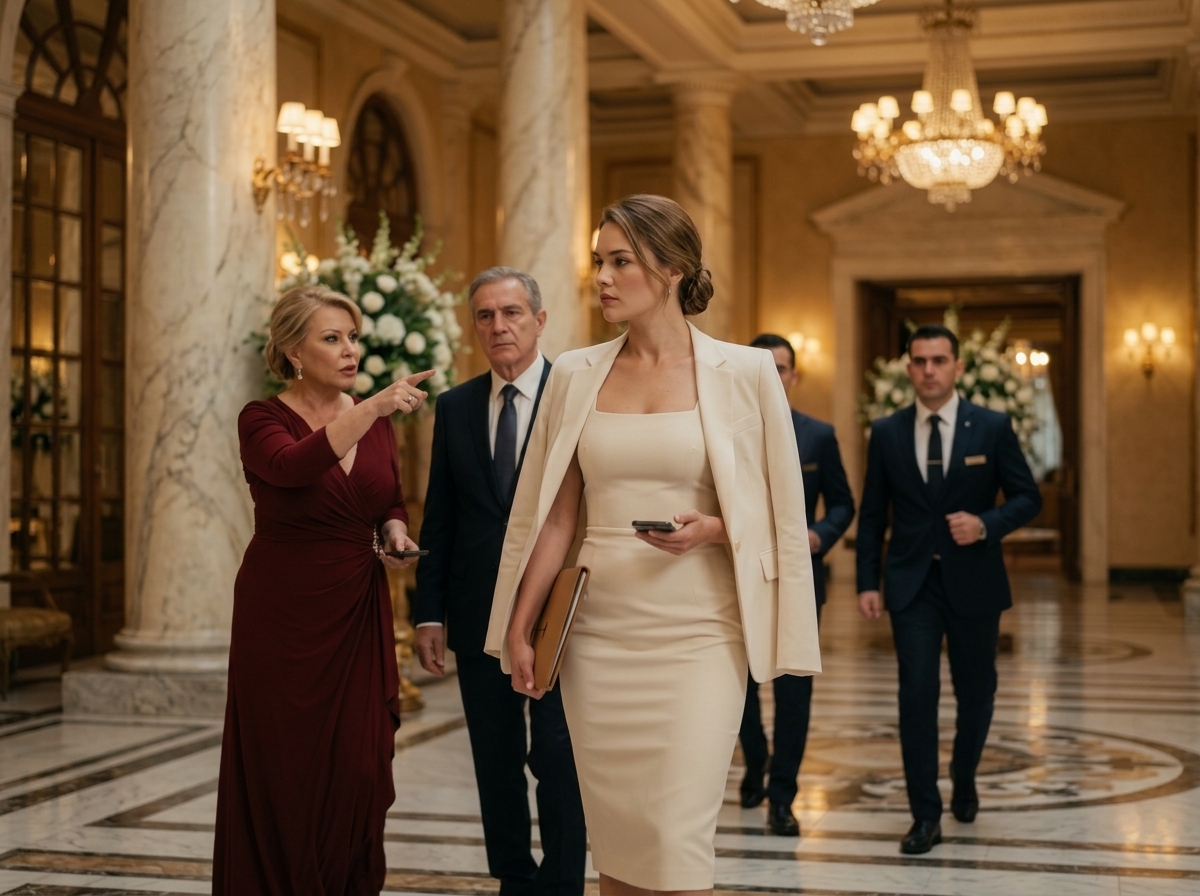
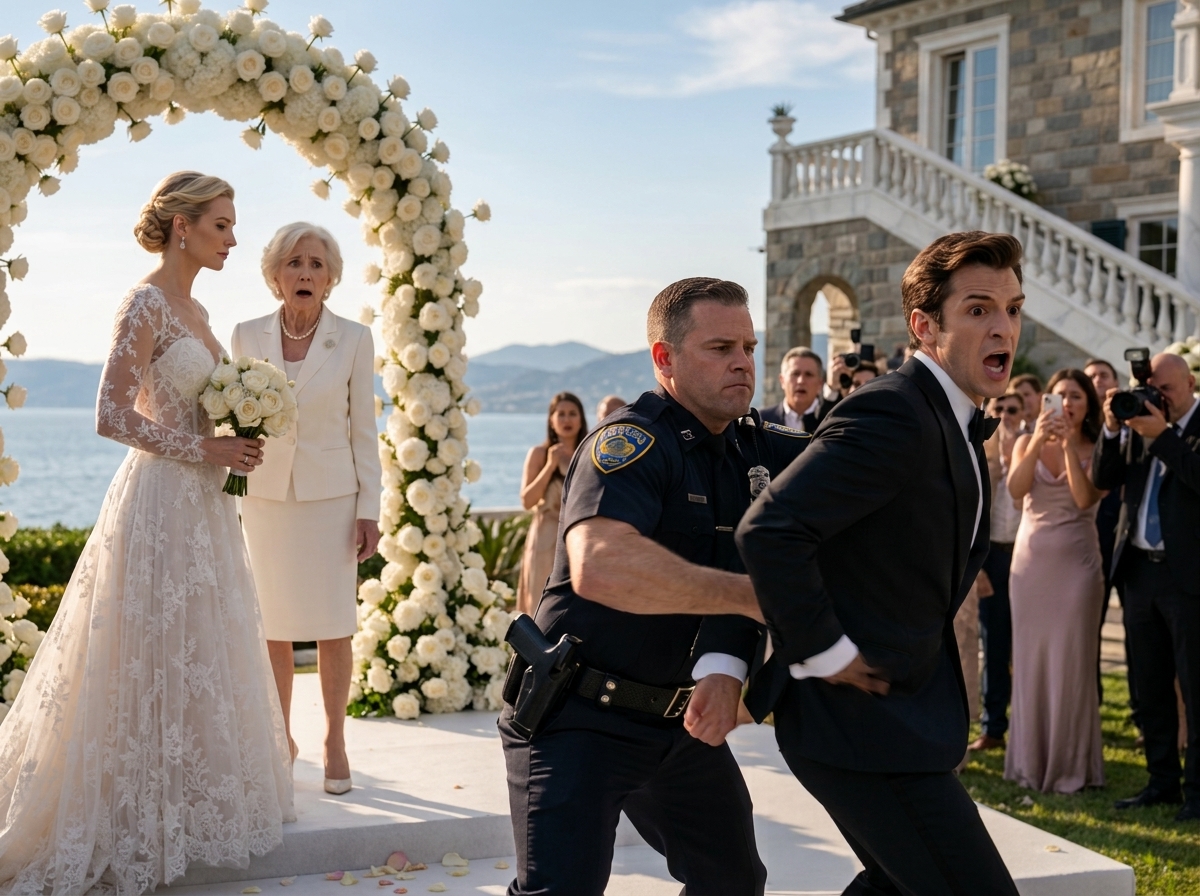
My name is Mara Halston, and the night my stepmother had me removed from my mother's ballroom, I was wearing my mother's pearl earrings.
I want to start there because the earrings matter. Not because they are valuable, though they are, but because I had put them on deliberately that evening while standing at my bathroom mirror, the same mirror where my mother had stood for thirty years getting ready for every event the Halston Meridian had ever hosted. I had put them on because I intended to walk into that gala as Margaret Halston's daughter, which is what I am, and which no amount of silver gowns or remarriage or champagne toasts with the mayor's wife was ever going to change.
My mother had built that hotel.
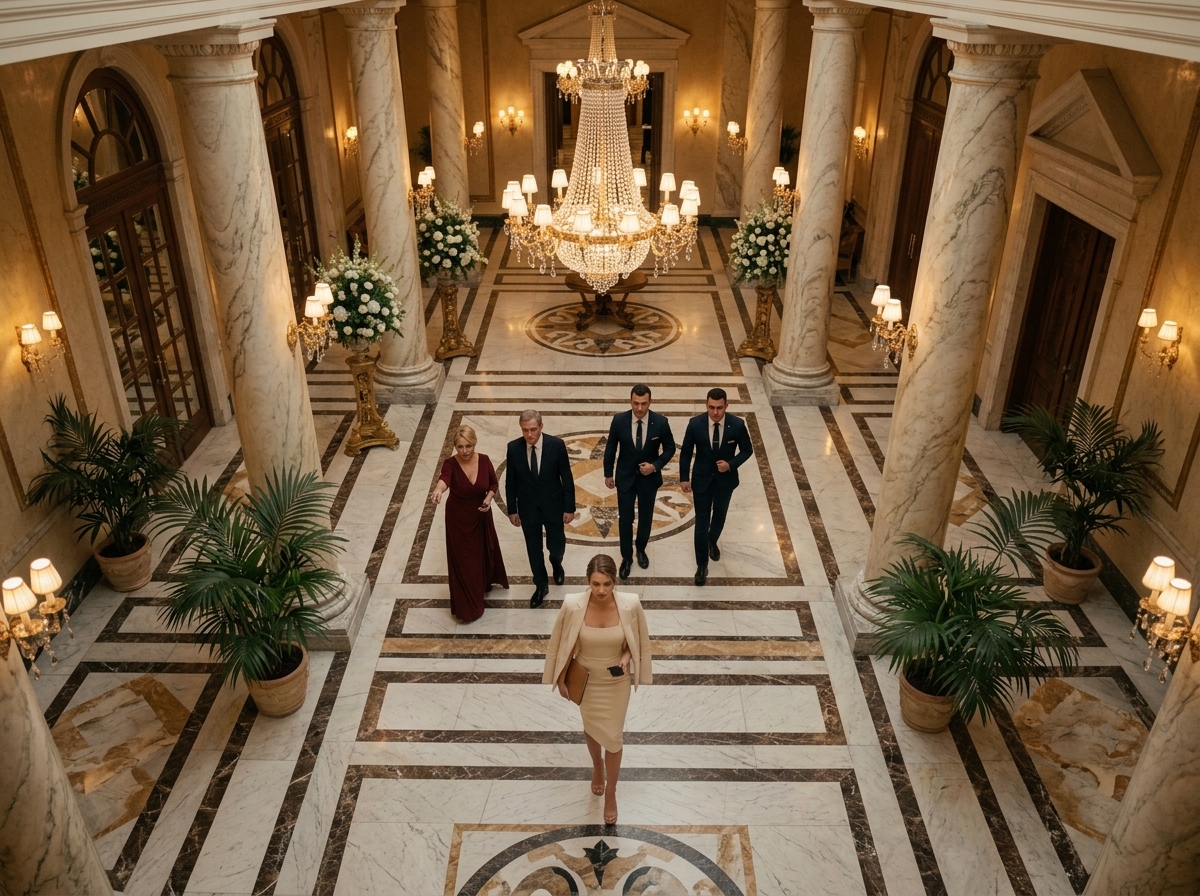
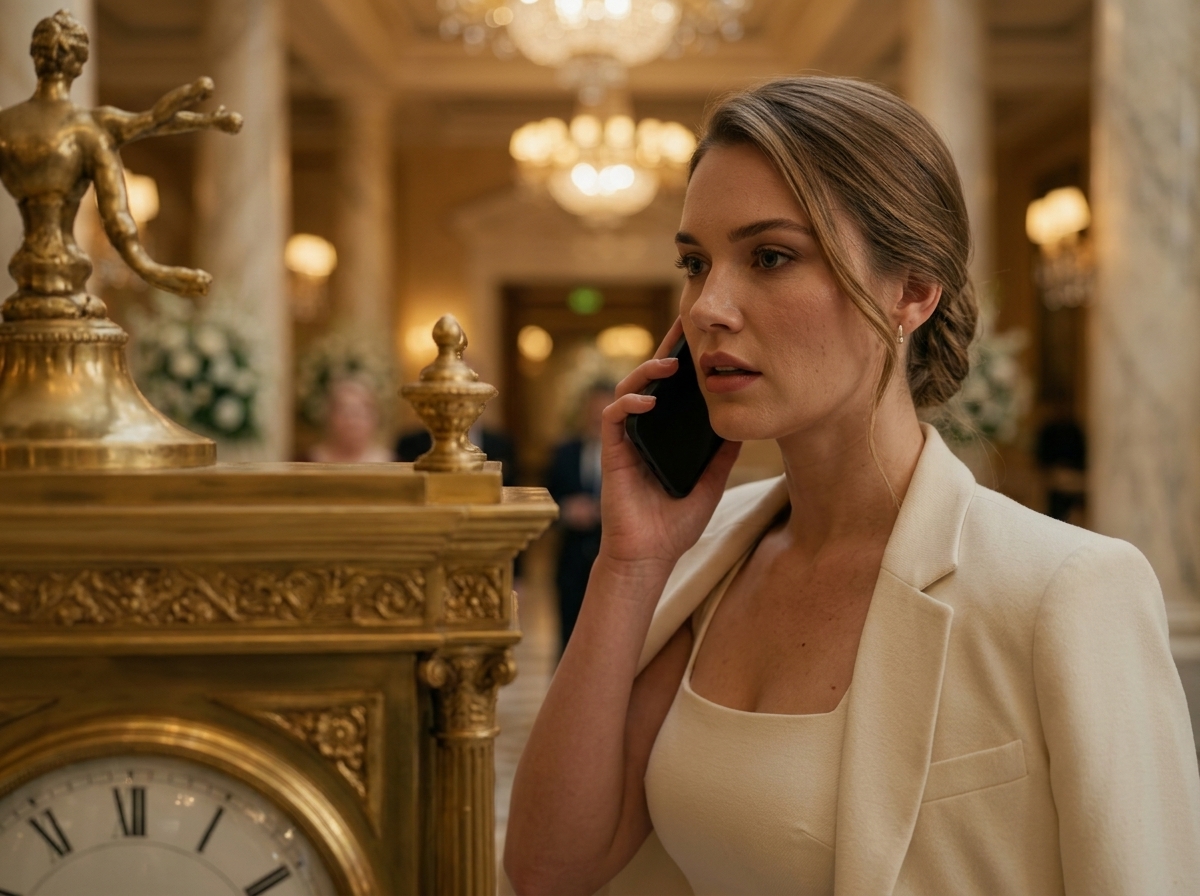
I want to be precise about what that means. She had not assisted in building it. She had not supported my father while he built it. She had designed the event programming, established the donor relationships, chosen every piece of art in every corridor, selected the brass clock in the lobby because she said a hotel lobby should tell you the time without making you feel like you were being hurried, and she had run the annual gala for nineteen consecutive years with the particular combination of warmth and exactness that made donors feel like guests and guests feel like family. When she was diagnosed, she kept running it from her treatment schedule. The year she died, she had already confirmed the florals for the following spring.
My father had run the operational side. He had managed the finances, handled the vendors, sat in the board meetings. He had done it alongside her and he had done it competently and I do not take any of that from him. But the hotel was not his creation. It was their creation, and when my mother understood that the cancer was not going to give her more time, she was careful about what she left behind.
She was very careful.
She had rewritten everything fourteen months before she died, working with an attorney named Elliot Marsh who had been handling Halston family legal matters for twenty-six years. The hotel deed and the land parcel it sat on had been restructured into a beneficiary trust in my name, effective on my twenty-eighth birthday. My father retained operational management rights in the interim. He could run the hotel, staff it, book events, represent the Halston name in every way that mattered publicly. What he could not do was sell it, mortgage it, transfer equity from it, or restructure ownership without my written consent.
My mother did not tell him she had done this.
She told me. She told me on a Tuesday afternoon in the hospice room while my father was in the parking lot taking a call from the accountant, and she held my hand and said Mara, I need you to understand that this building is yours, and I need you to understand why. She did not say she didn't trust my father. She said she trusted me.
Then she said one more thing, which I have thought about almost every day since. She said the day someone tries to make you feel like you don't belong somewhere that's yours, that's the day you'll know it's time. I had not known exactly what she meant then. I know now that she had been watching Celeste Hargrove for longer than I had, and that she had understood something about what was coming that I had spent two years refusing to see clearly.
May you like

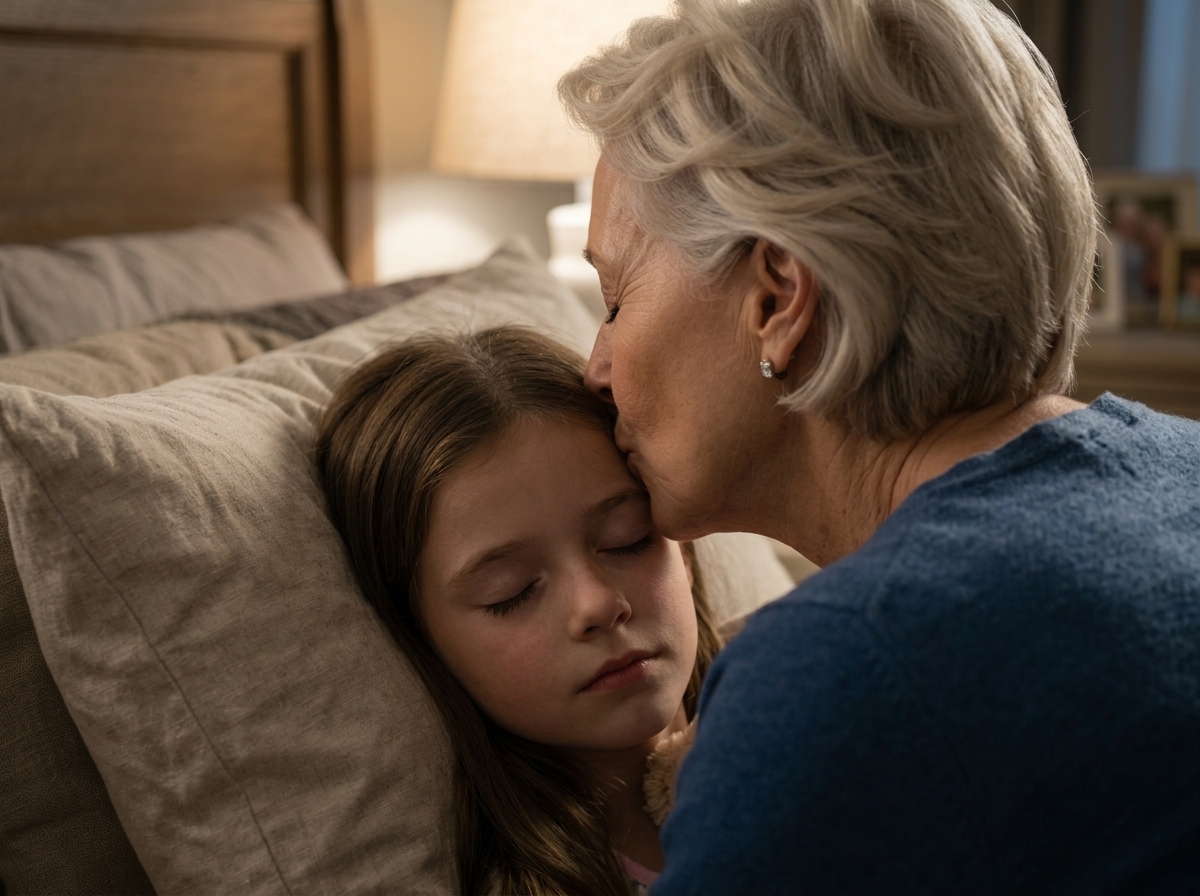

Celeste had been introduced to my father eight months after my mother's funeral, through a mutual connection on the charity circuit, and they had been married fourteen months after that. I had tried. I want to say that plainly because it is true and because I am not interested in a version of this story that makes me blameless in the way of someone who never attempted anything difficult. I had dinner with Celeste a dozen times. I had attended her events. I had been present at the wedding and smiled in the photographs and told my father I was happy for him, which was not entirely true but was as close to it as I could get, and I had told myself that a person could grieve their mother and accept their father's new life simultaneously because people did harder things than that every day.
What I had not done was look at the way Celeste talked about the hotel when she thought I was not listening. The way she described my mother's choices as dated or as your late wife's particular taste, with the specific emphasis that suggested taste was a polite word for something less flattering. The way she had moved through the gala planning meetings over the past year treating Margaret Halston's nineteen-year legacy as a starting point to be updated rather than a foundation to be honored. The way her son from her first marriage had begun appearing at operational meetings my father described as routine.