Chapter 7
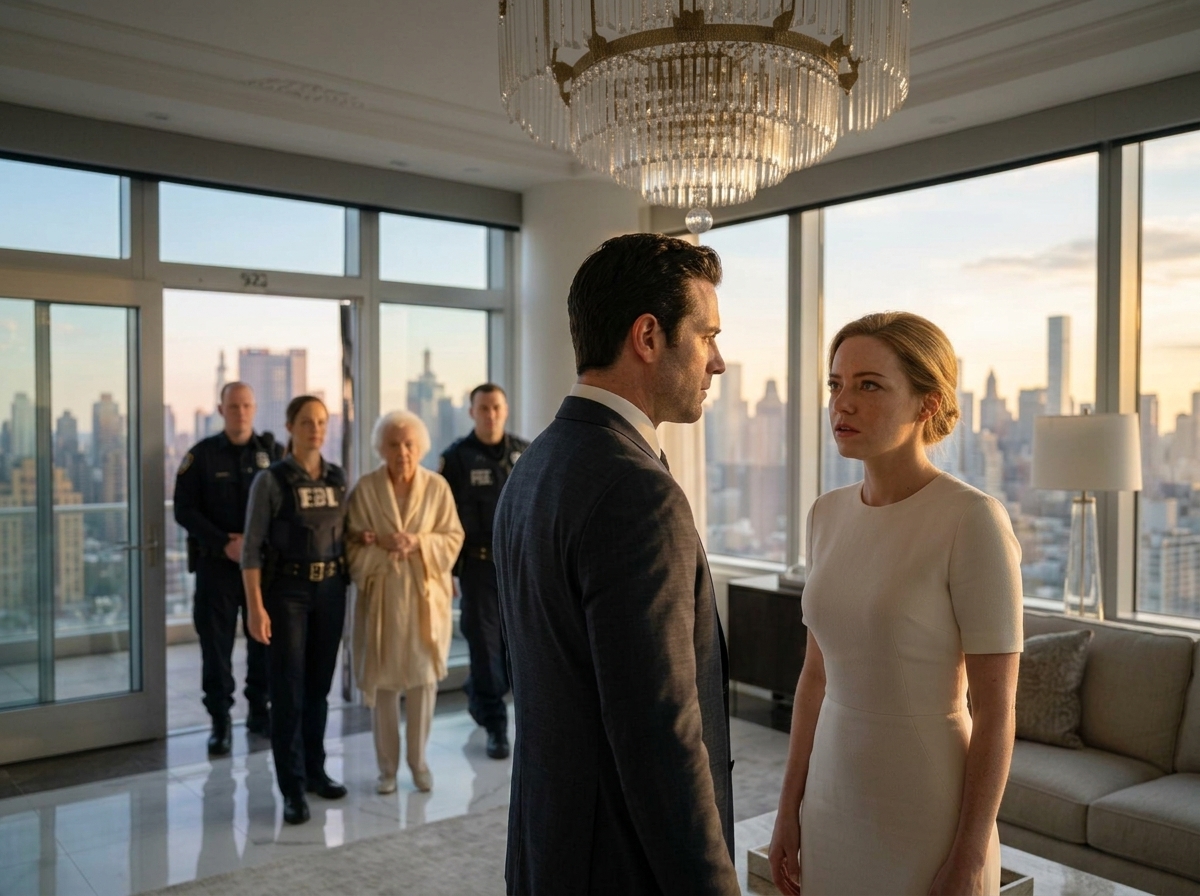
He said: you know the part that got them?
I said I had a few theories.
He said: they didn't ask what you did for a living. Twenty years of this work and that's still the one I can't get over. They never ask.
I thought about that on the drive back to my mother's house. The garden was visible from the street, tidy and October-quiet, the way she kept things. I sat in the car for a moment before going inside and I thought about Kyle's voice on the phone every evening for six weeks saying don't worry, Claire, everything's under control, delivered with the confidence of a man who believed that the distance between Washington and Chicago was a form of protection.
It was not protection.
It was geography.
The thing about financial crimes is that geography has not been a meaningful obstacle since approximately 1994, and the thing about elder financial exploitation specifically is that the perpetrators almost always underestimate the people in the family who have the relevant training, because the relevant training is not visible and the perpetrators have spent the relationship categorizing the person rather than observing them. Kyle had categorized me as a federal employee pushing paperwork for eleven years. He had constructed a complete and comfortable version of me that did not require updating because he had never asked a question that would have produced contradicting information.

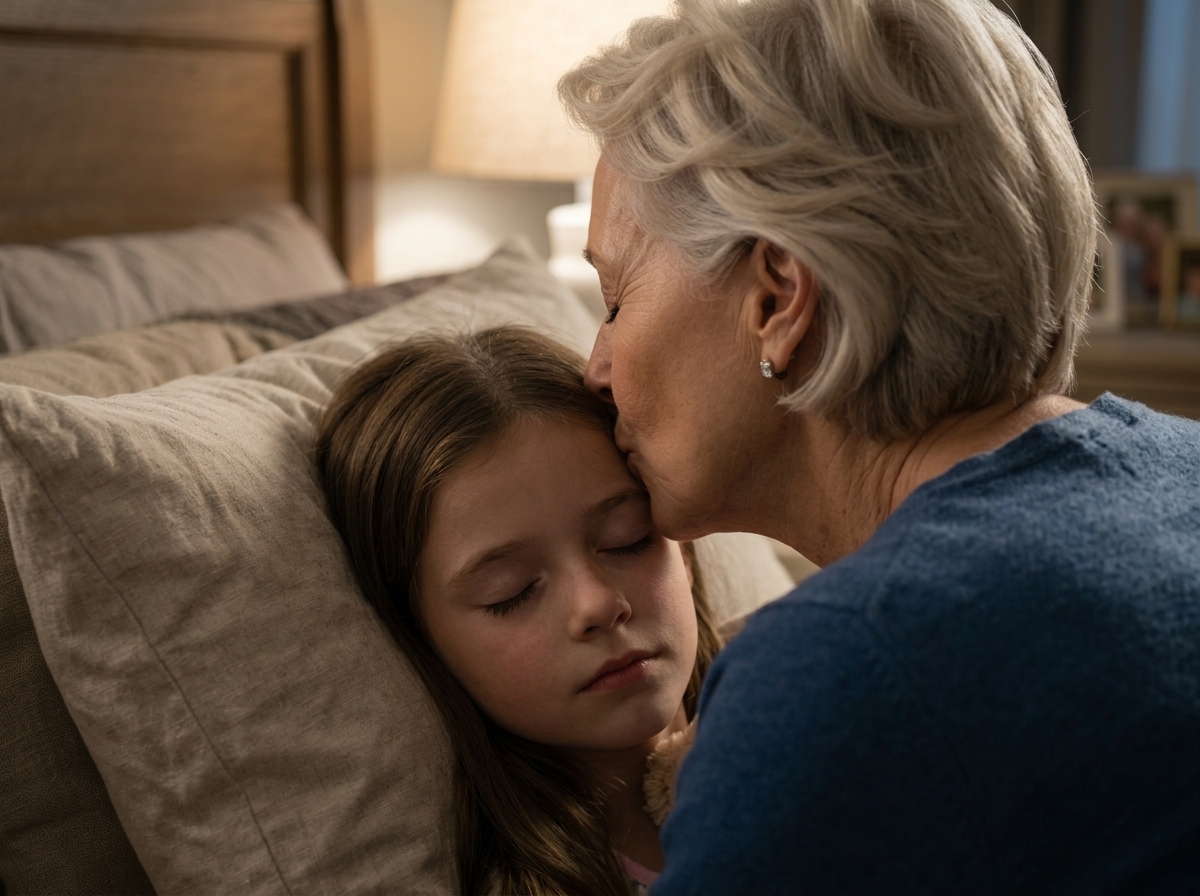
I went inside. My mother had made tea. She was sitting at the kitchen table with a book open in front of her, the first book she had read in the house since the surgery, and she looked up when I came in with the specific expression of a woman who has had her house returned to her and is still in the process of believing it.
I sat down across from her.
We had tea and did not talk about Kyle or Vanessa or the sentencing or the thirty-eight months or the twenty-two. We talked about the book and the garden and whether the neighborhood boy had been doing an adequate job with the hydrangeas, which my mother felt he had not, and we talked about Thanksgiving and whether she wanted to come to Washington this year or whether I should come here.
She said: come here. This table has enough room.
May you like


I said: okay.
Outside, the October light was doing what October light does in Chicago, which is come in at an angle that makes ordinary rooms look like something worth staying in, and the garden was visible through the window, and the house was exactly what it had always been, which was hers.