Chapter 4
Something moved in his eyes, almost imperceptible. "I know it worked."
"That isn't the same thing."
"No," he said. "It isn't."
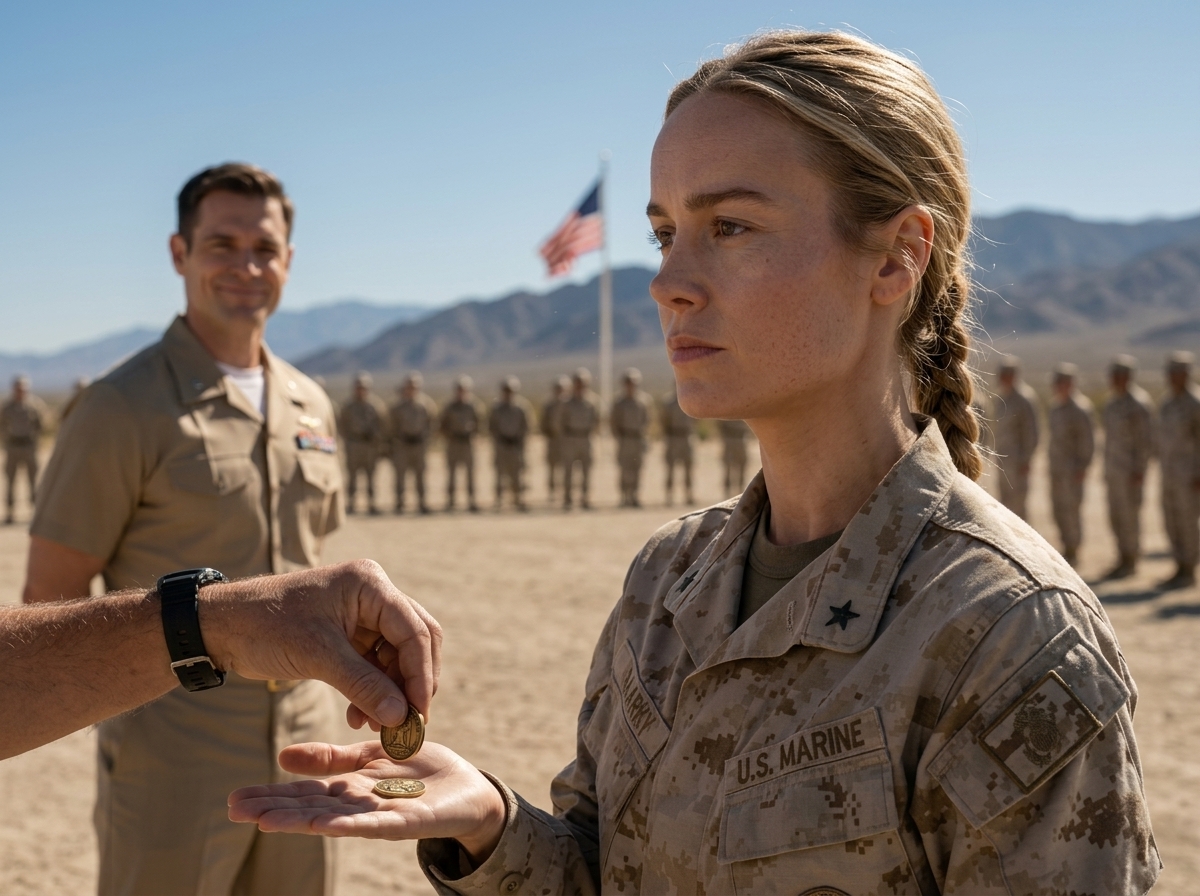
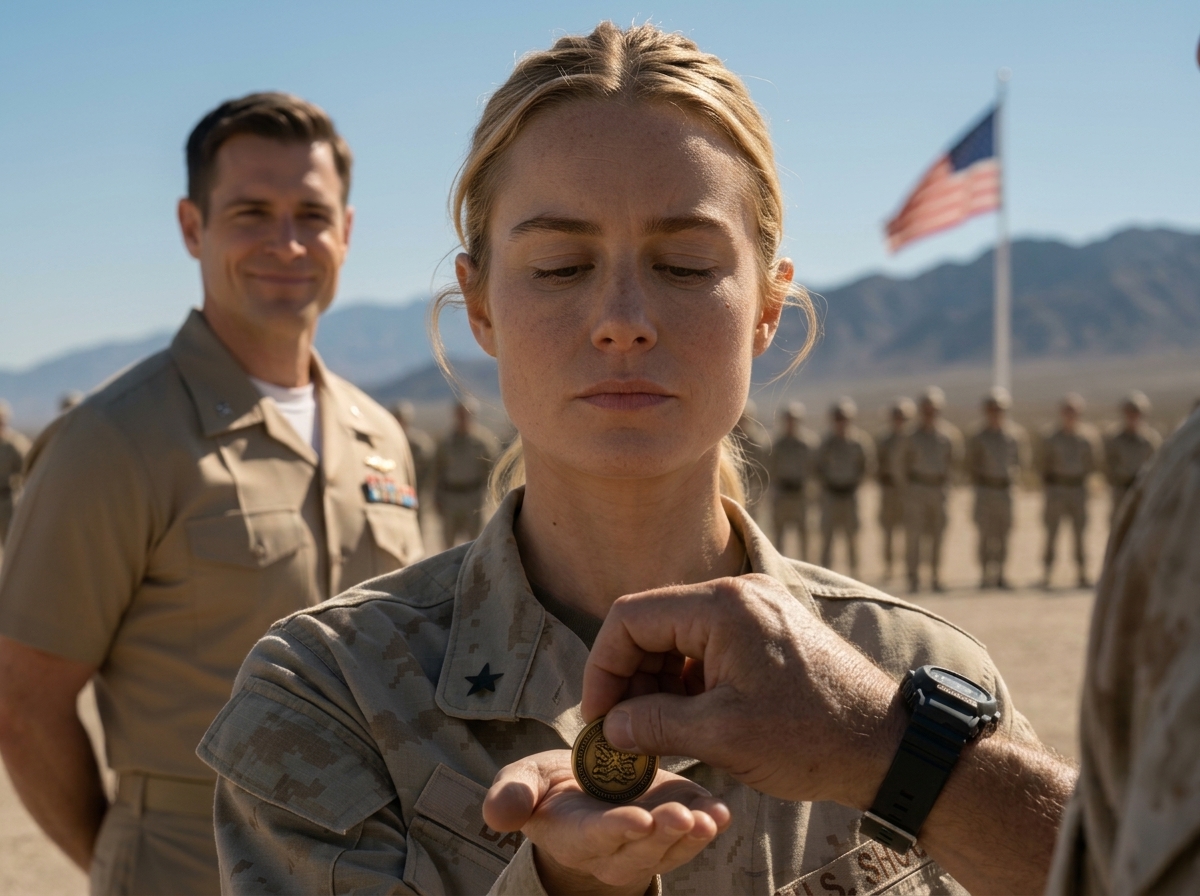
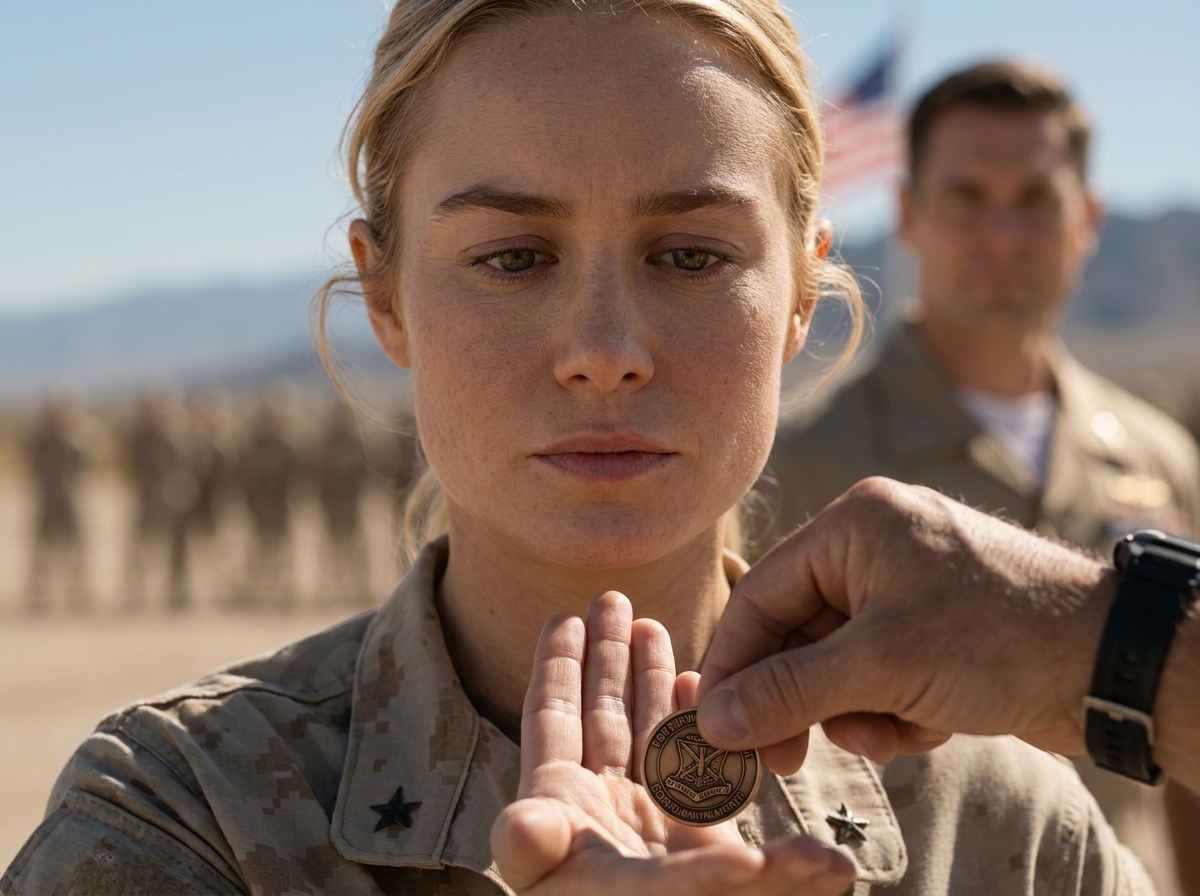
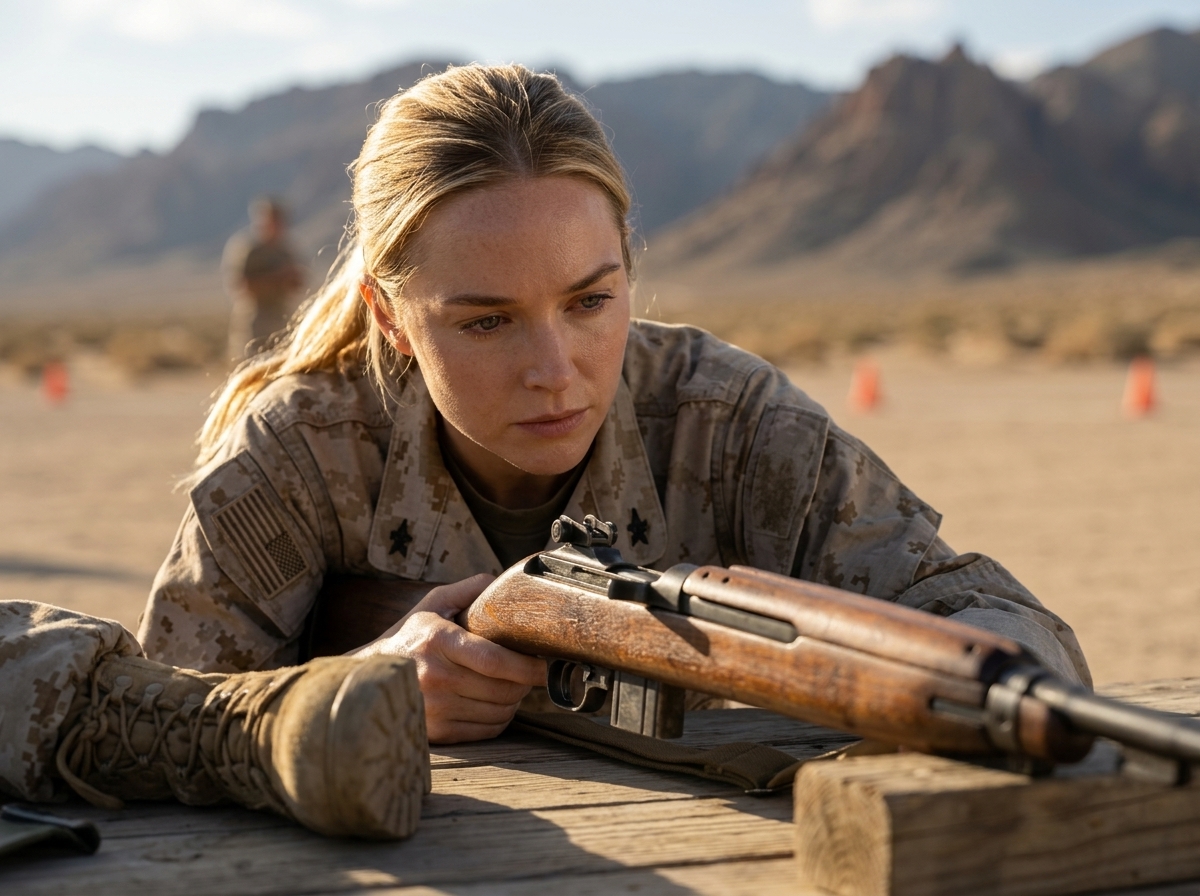
I took the bullet. The brass was warm from his palm. I closed my fingers around it and felt the weight of it, which was the weight of one round and also the weight of a year and a half of being the rumor, the anomaly, the name attached to something people had decided was more comfortable to doubt than to accept.
Harlan stepped forward to lodge a protest but Kincaid answered before Rourke could, flat and final: "This is protocol today."
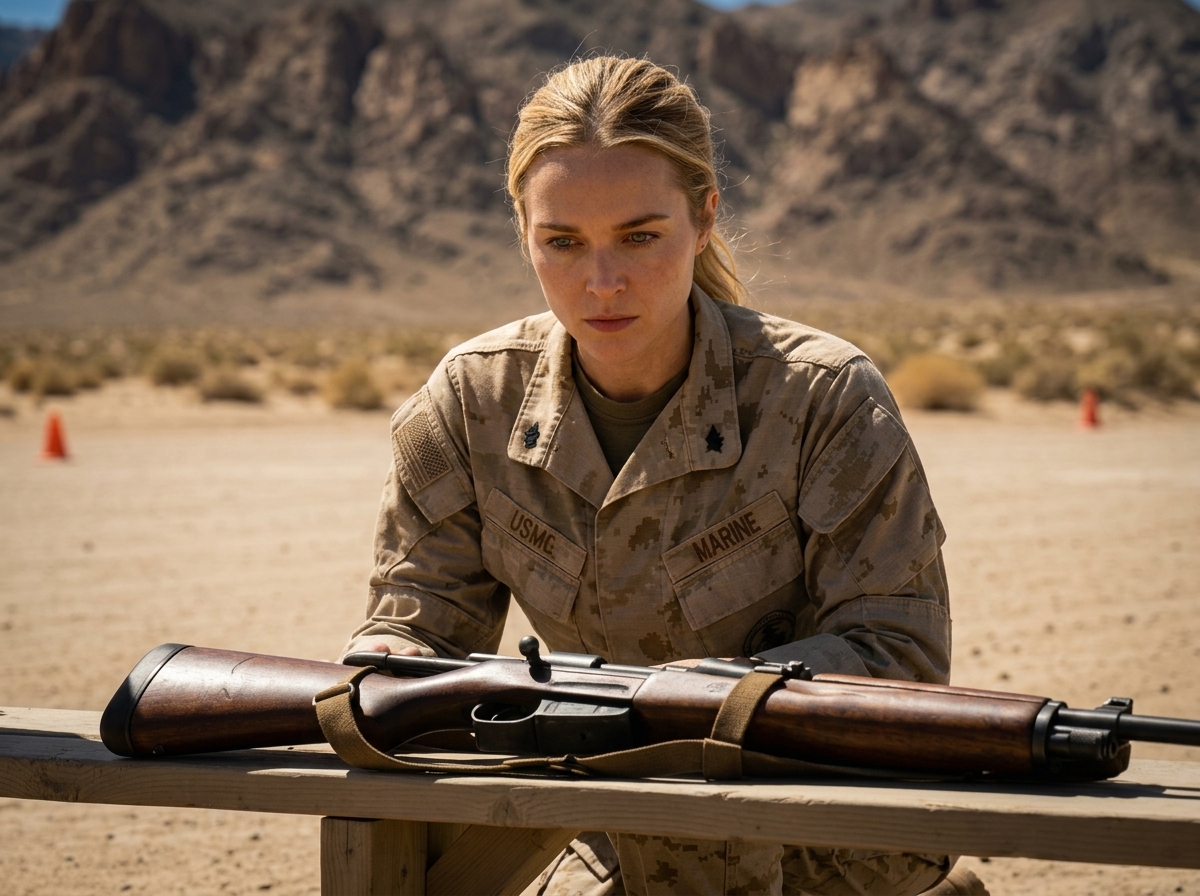
Harlan's face reddened. His authority over the morning had been dissolving for the last several minutes and everyone present could see it, which was exactly the kind of public diminishment that men of his particular construction found most threatening.
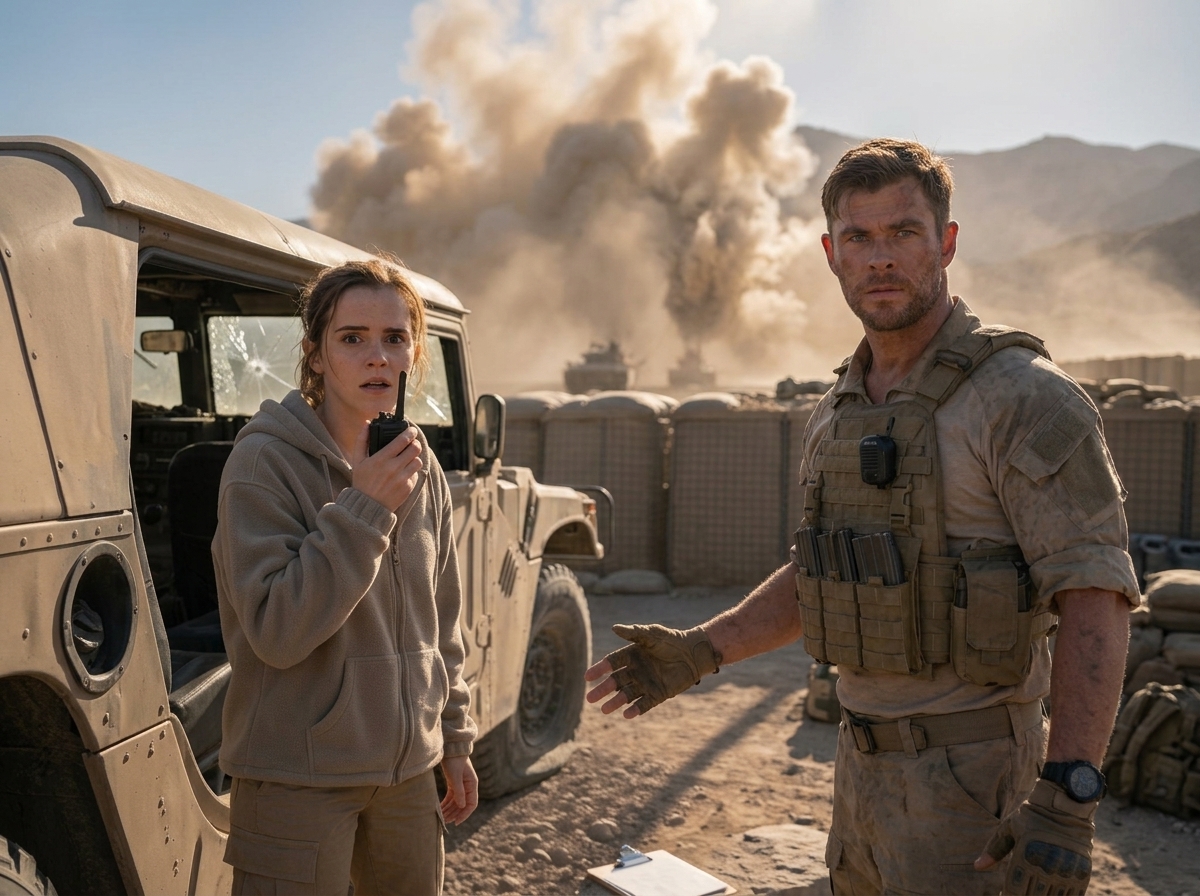
Rourke pointed downrange, past the standard boards, toward a rocky rise beyond the firing lanes. At the top of a thin metal wind-flag post, something caught the sun. A brass disc. Small. Not painted. Not centered. Hung by wire, moving with every shift of desert wind.
Someone behind me whispered "no way" and the words floated out over the range and nobody answered them.
Rourke said it was today.
Harlan listed the impossible conditions. Moving object. Beyond normal lane. Single round. Unfamiliar rifle. He turned each one into an argument, and what he was really arguing was that the situation had been designed to fail me, that the impossibility was the point, that when I missed, the conversation would be over and the Ardent Ridge report would become the embarrassing artifact it had always quietly been treated as by the people who found it inconvenient.
May you like

He was not wrong that it had been designed to fail me. He was wrong about who had designed it.
Kincaid said: "This is a question."