Chapter 6
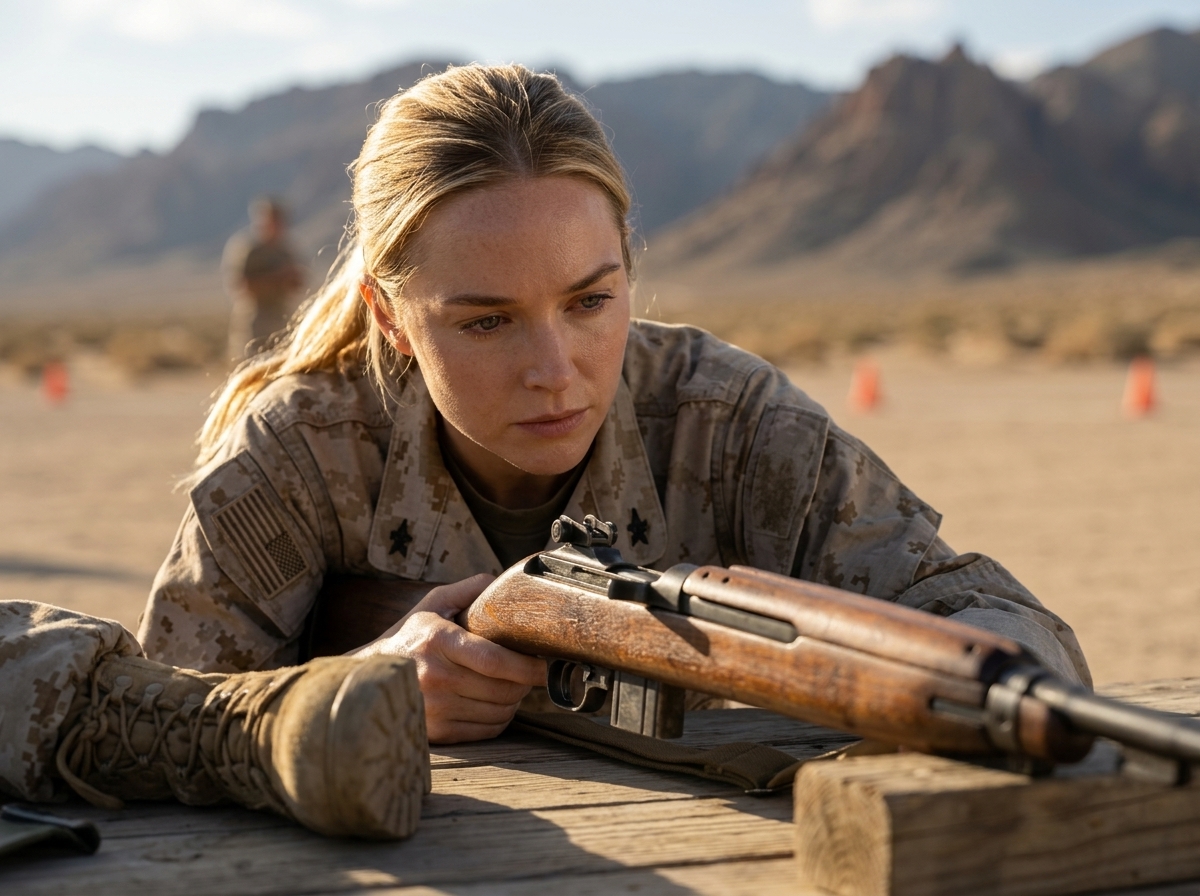
Not the ordinary silence of a range pausing between instructions. The silence of eighty men simultaneously understanding that something had just been said that could not be unsaid, and that the cameras were running.
Rourke turned slowly toward the range technician. The technician had gone very still, his hand near a control panel, with the posture of someone who has been caught mid-gesture and is hoping the freeze will be interpreted as innocence. Behind Rourke, Harlan's smirk had not disappeared so much as inverted, replaced by the specific expression of a man calculating how rapidly a situation has moved outside his control.
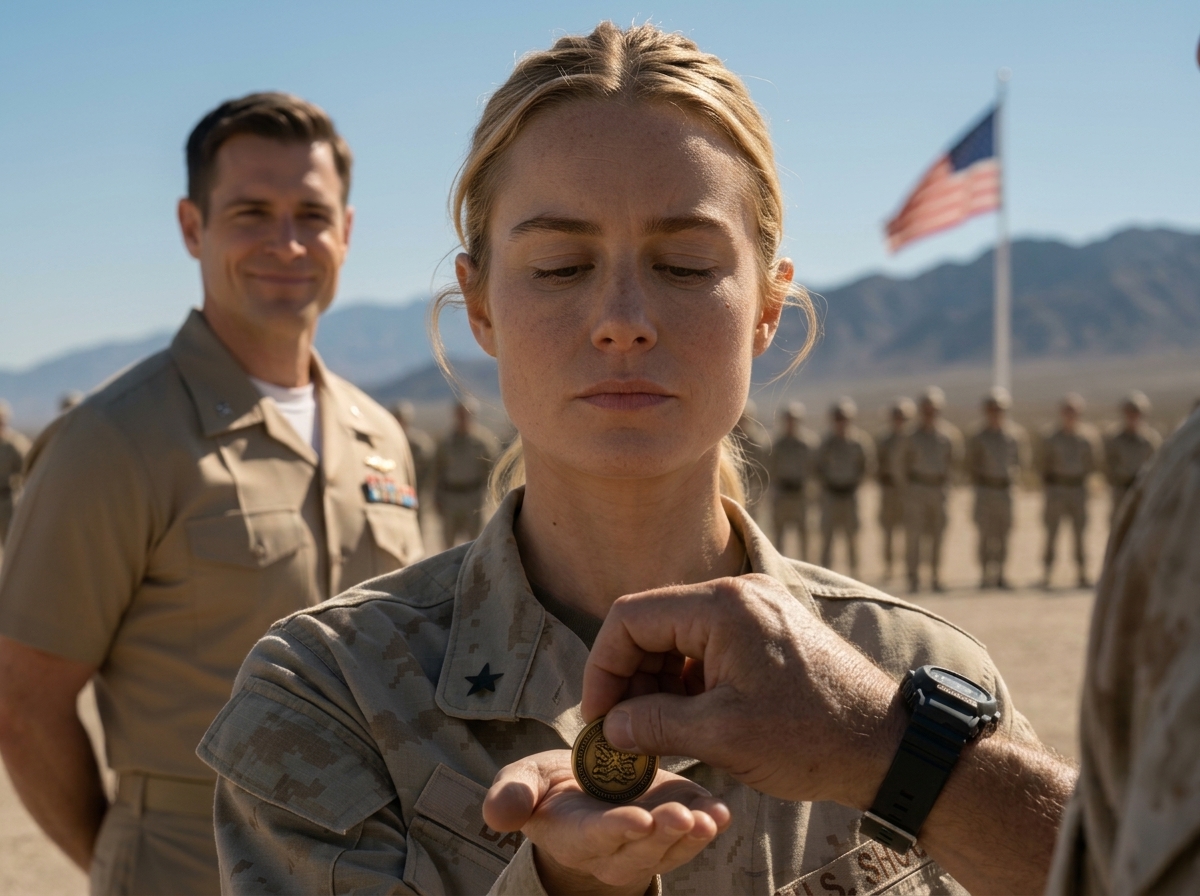
Admiral Kincaid walked forward from the shade canopy. He moved at the pace of a man who does not need to hurry because his authority is not contingent on being the first person to arrive somewhere. He looked at the wind flags. He looked at the disc on the distant post, still moving. He looked at the range technician. He looked at Harlan.
He did not say anything. He did not need to.
Rourke turned back to me.
"Stand up," he said.
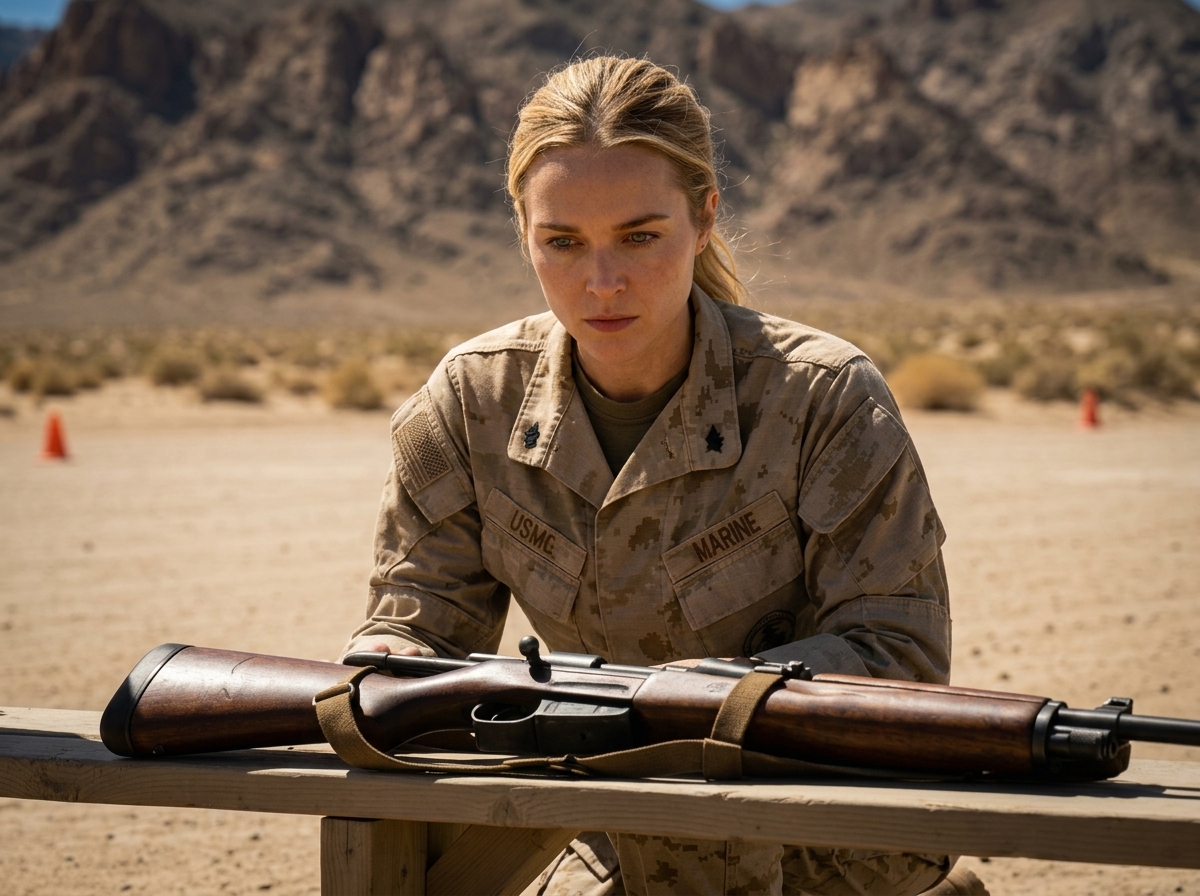
I stood. The rifle stayed on the ground, muzzle pointed safely downrange, as it had been throughout.
Rourke looked at me for a moment. Then he turned to the range and said, loud enough for every recording device and every set of ears present: "The evaluation of Sergeant Mara Vos has been documented. The range malfunction has been documented. The personnel present at the time of that malfunction have been documented." He paused. "This concludes the evaluation phase."
Harlan said: "Chief, you cannot simply—"
May you like

"Commander Harlan." Kincaid's voice was not loud. It was the specific register of a voice that has spent thirty years not needing to be loud. "You will report to my office at fourteen hundred hours."
Harlan's mouth closed.