Chapter 6
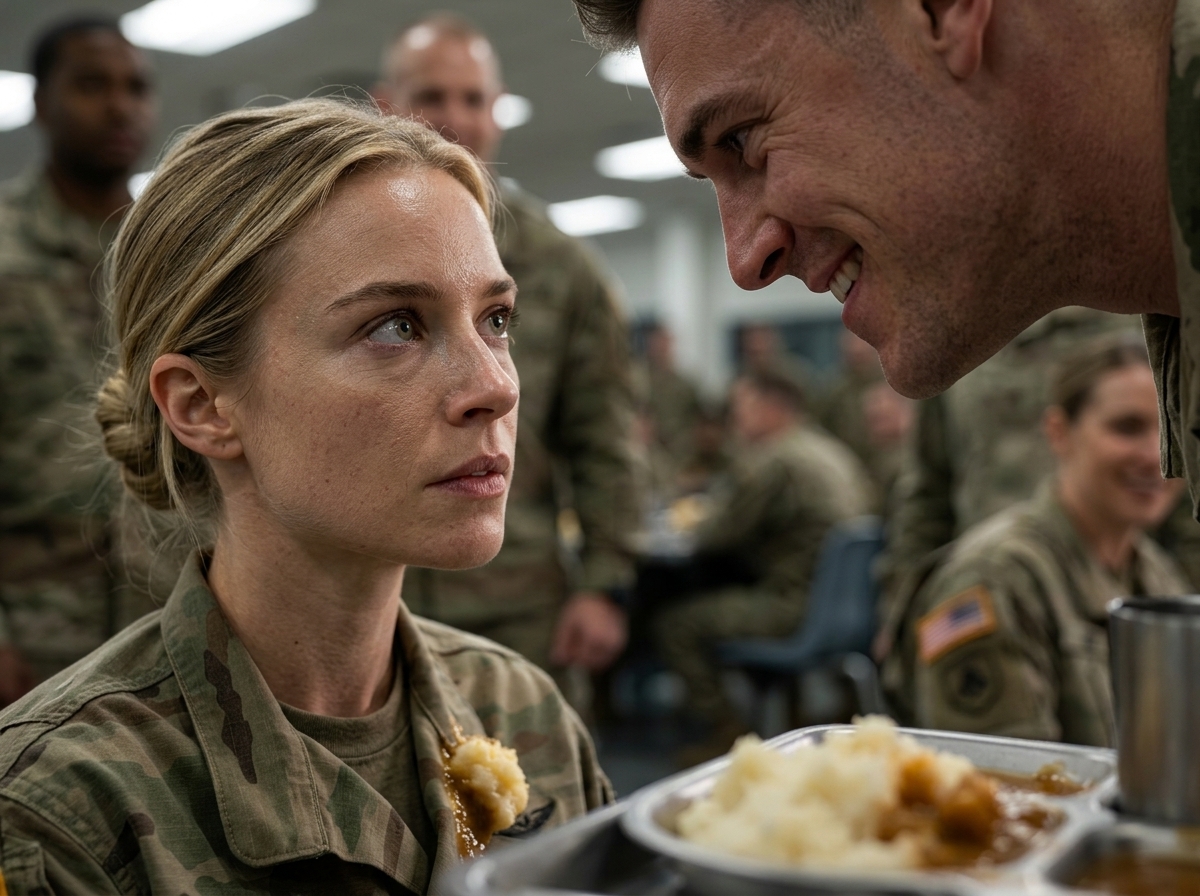
The sergeant said he didn't know. But based on what the marking typically indicated, he would guess at least a decade of the kind of service that was never going to appear in a publicly accessible record.
Hayes looked at the motor pool wall.
"She didn't say anything," he said. "After I flipped the tray. She didn't say anything."
"No," the sergeant agreed.
"Most people say something."
"Most people haven't been where she's been."
Hayes was quiet again for a long moment.
He did not say anything else about it.
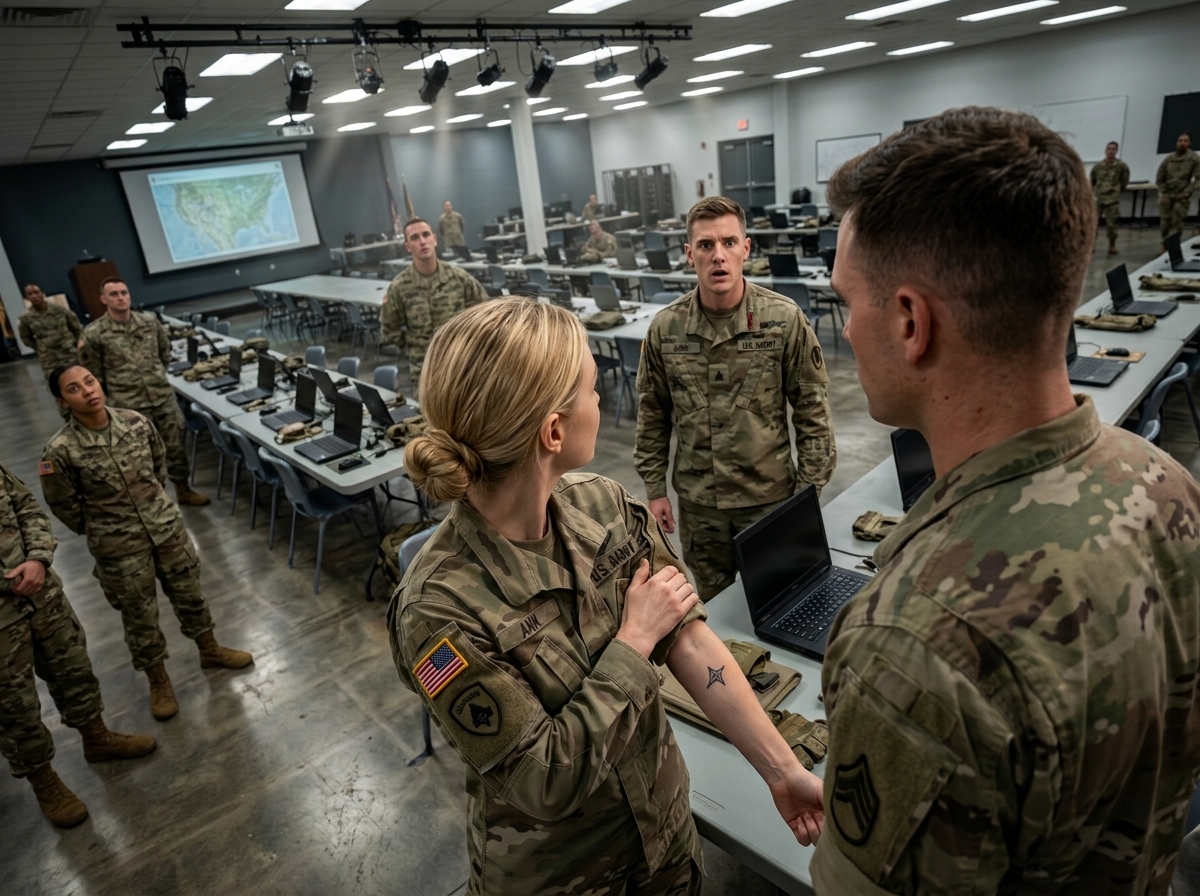
The following Monday, he asked his first sergeant to schedule a platoon leadership meeting to address the conduct standards framework for the unit's enlisted leadership interactions with unranked personnel in shared facility spaces. It was not a dramatic meeting. It was procedurally correct and specific in its content and was conducted without reference to the mess hall incident by anyone in the room.
It was, by several accounts from the people who attended it, the most useful hour of professional development the unit's leadership had received in the previous year.
Avery Carter was back in the field before the inquiry concluded. She was not available for the investigator's follow-up questions, which the investigator noted in the record and which the office conducting the inquiry noted as consistent with her operational assignment pattern.
The inquiry was concluded on the basis of the sergeant's testimony and the accounts of the watching soldiers and the mess hall security footage, which had captured the tray incident from two angles and which the investigator described in the record as unambiguous.
Somewhere in the archive of that footage, in a clip that lasted approximately eleven minutes from the moment Avery sat down to the moment she walked out, there is a moment — visible at 5:23 of the clip — where Avery Carter is looking at the spilled food on the table in front of her and her expression is doing something that is not quite readable.
The investigator who reviewed the footage noted it in their working file and did not include it in the formal record because it was not relevant to the conduct finding.
May you like

But they noted it.
Because it looked, watching it at full resolution on a monitor in a quiet office, less like exhaustion and more like someone who had been in a hundred rooms before this one and understood, with the complete certainty of accumulated experience, exactly how the next eleven minutes were going to go.