Chapter 2
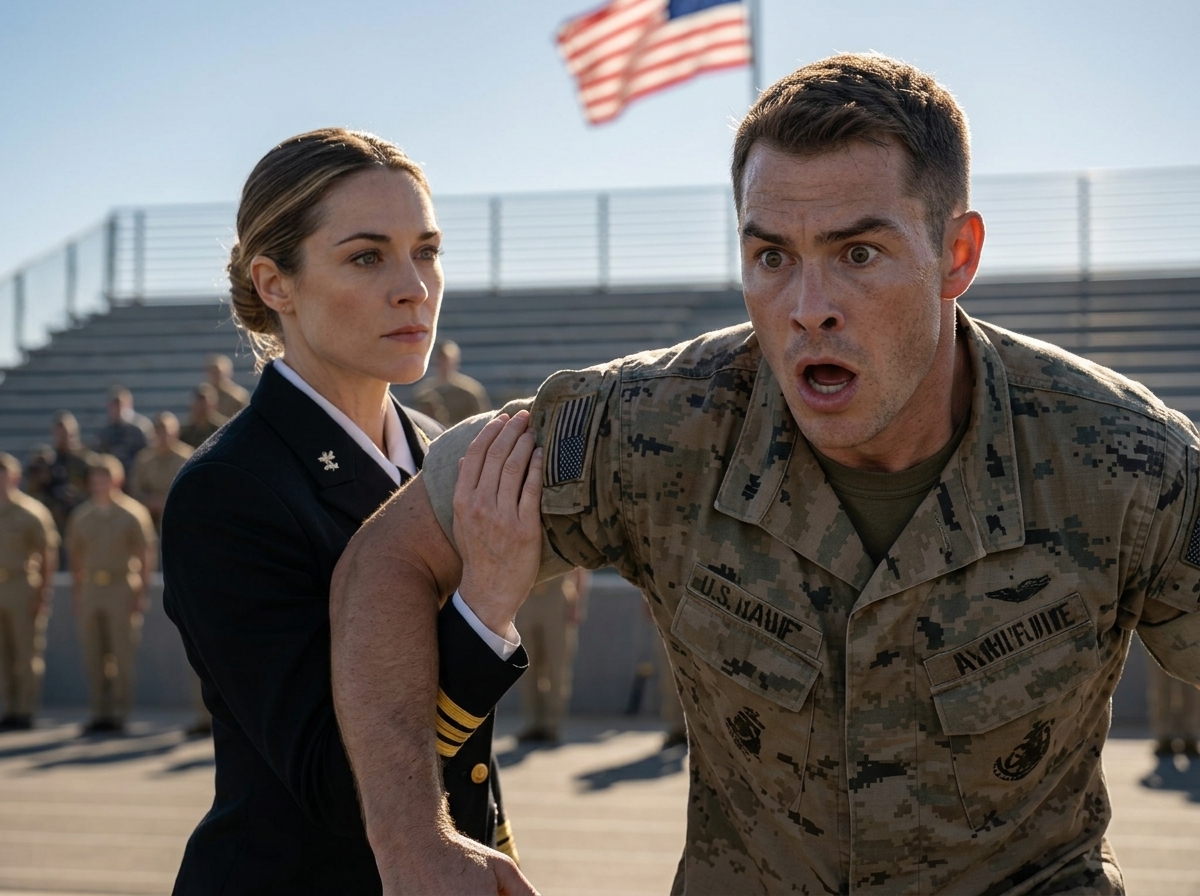
Sullivan noticed me on the second day standing near the communications facility reading a clipboard I was not actually reading. He crossed the distance with the confidence of a man who had never once encountered the thing that would end him and had therefore concluded it did not exist. He looked at my uniform, at the visitor badge, at the absence of anything on my chest that told him who I was, and he smiled the way men smile when they have decided the person in front of them is safe to dismiss.
He did not speak to me that day. He simply looked, and decided, and walked on.
That decision would have consequences.
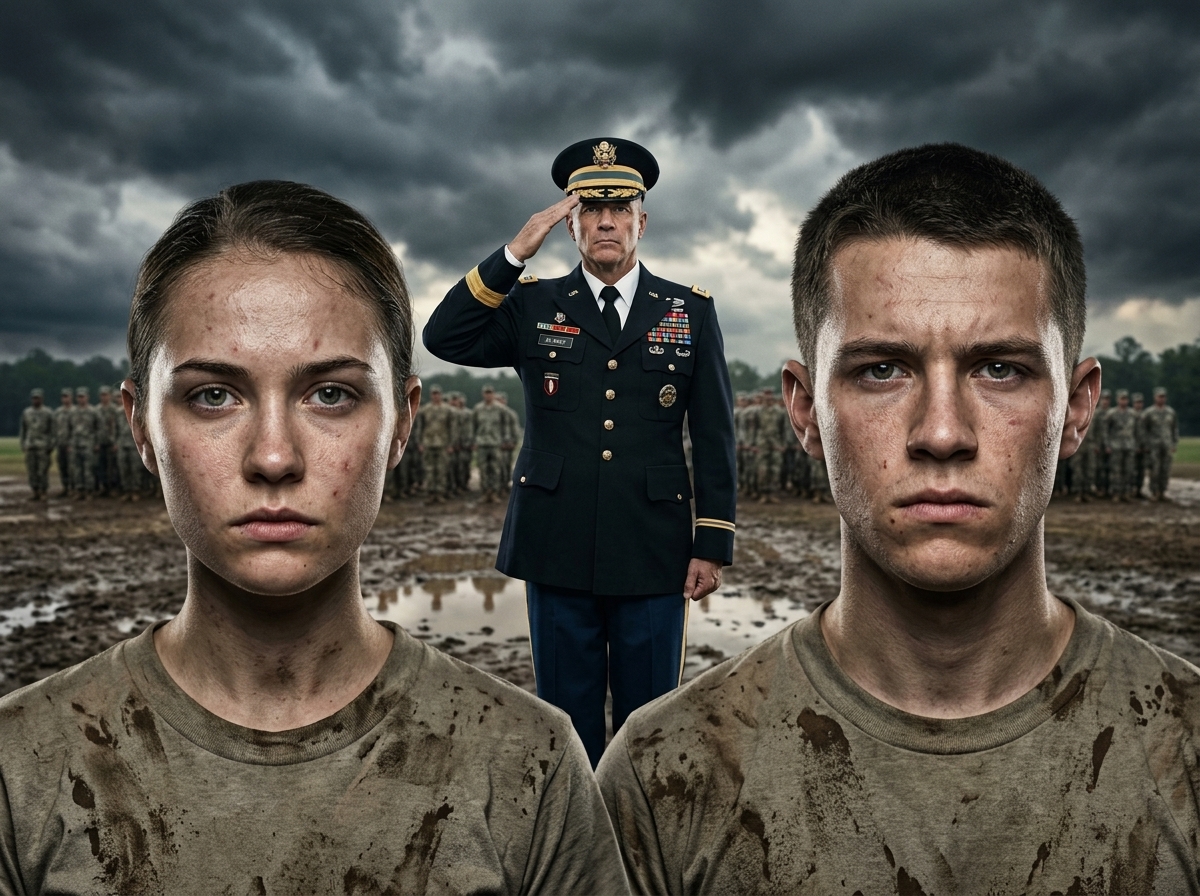
The joint training exercise was a four-day event involving Navy, Marine Corps, and Army elements — combined arms training with approximately twelve hundred personnel total. Sullivan was the senior Navy presence. The ceremony on the final morning was a formal parade and recognition event, the kind of thing the Navy does well because the Navy has been doing them long enough to know exactly where the power lies in a thousand people standing still under an American flag while the California sun makes the world shimmer.
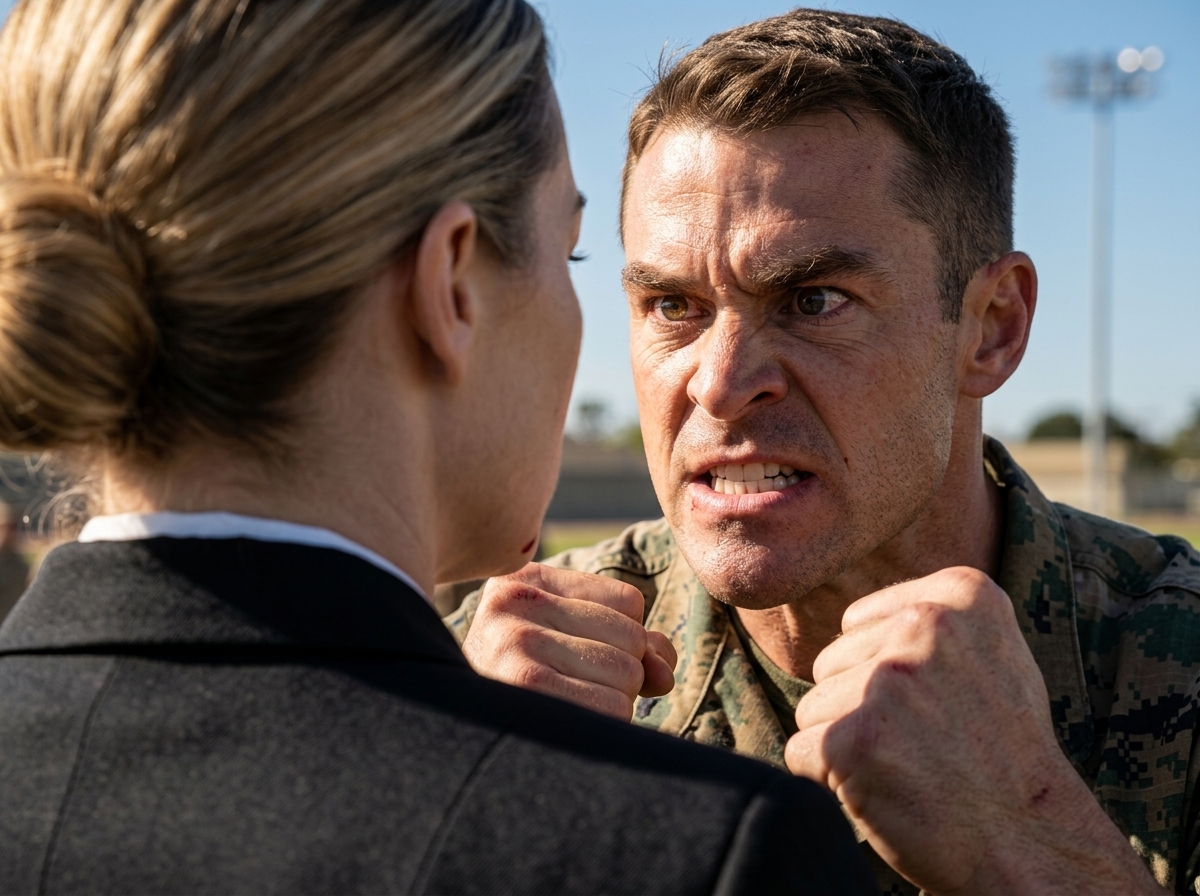
I stood in the visitor section of the reviewing area, slightly to the left of the podium and slightly behind it, in the position that visiting administrative officers occupy when a ceremony is not about them. The live microphone was six feet to my left. I had noted it when I took my position. I had also noted where Sergeant Major Thomas Reed was standing, because Reed had been in three different briefings I had reviewed before arriving, and his proximity to Sullivan over the course of those briefings told a story about institutional knowledge and institutional fear that was worth tracking.
Reed was positioned beside the reviewing stand, approximately twelve feet from where I stood.
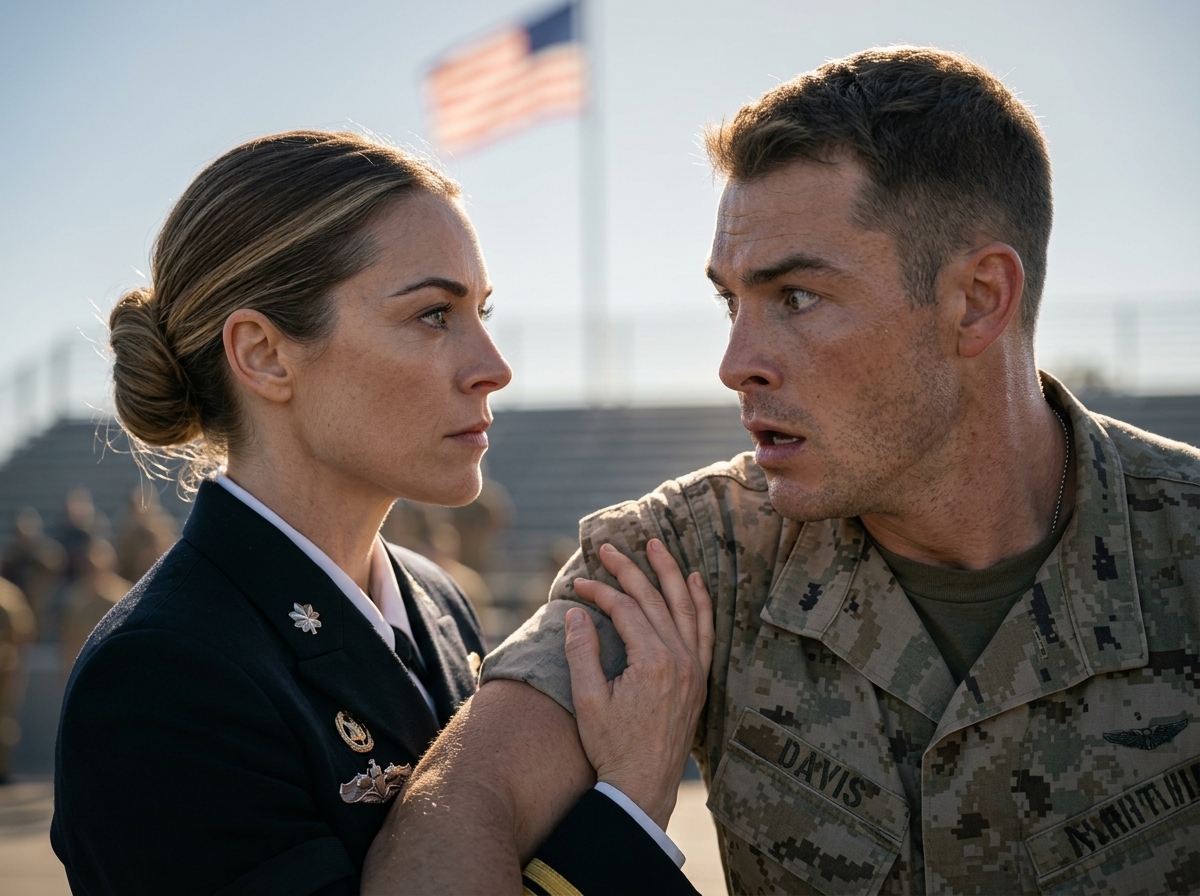
When Sullivan crossed the field toward me, I watched him come.
May you like


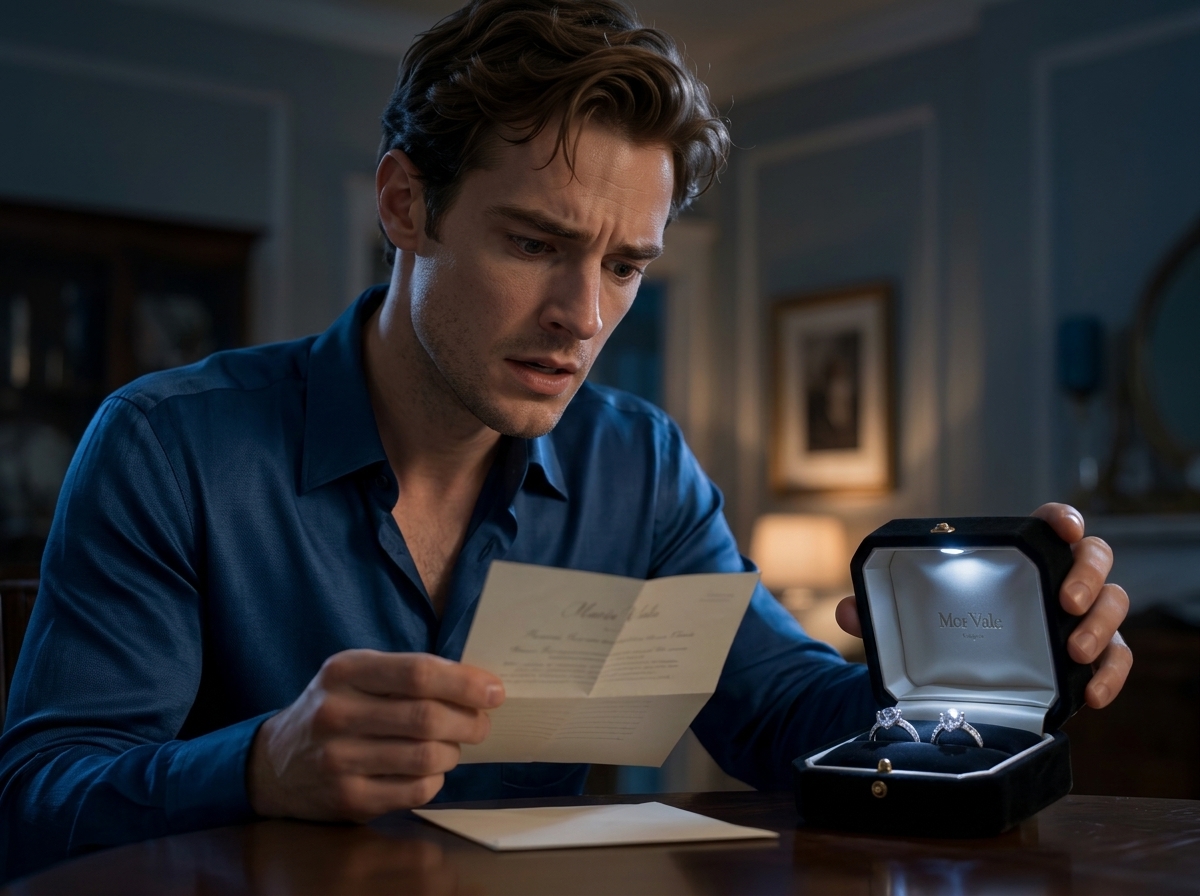
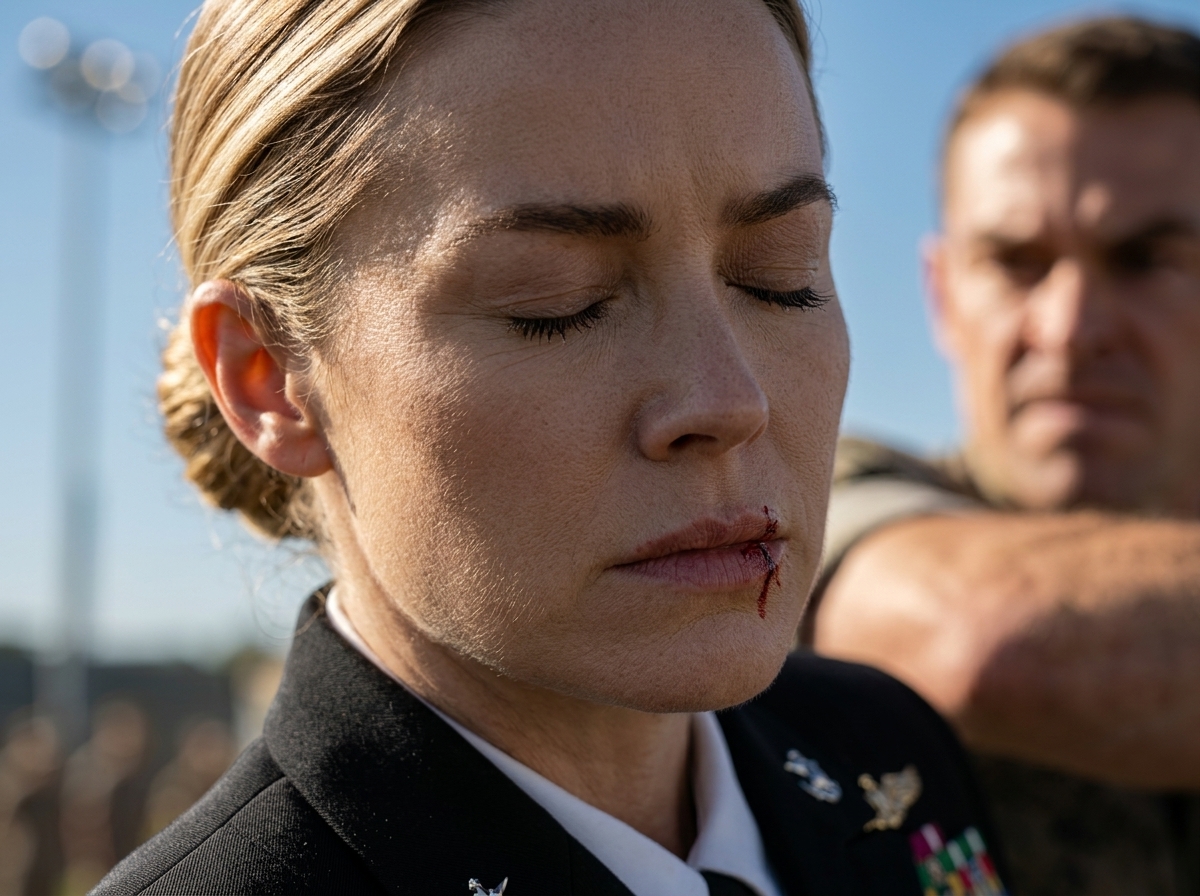
He moved with the precision of a man who had calculated every element of the moment — the audience, the proximity to the microphone, the timing within the ceremony, the specific position of maximum visibility. This was not an impulsive act. This was a man who had decided, in the three days since he first assessed me as safe to dismiss, that a public demonstration would accomplish something for him, and who had chosen the largest available audience to accomplish it in front of.
I understood all of this before he reached me.