Chapter 3
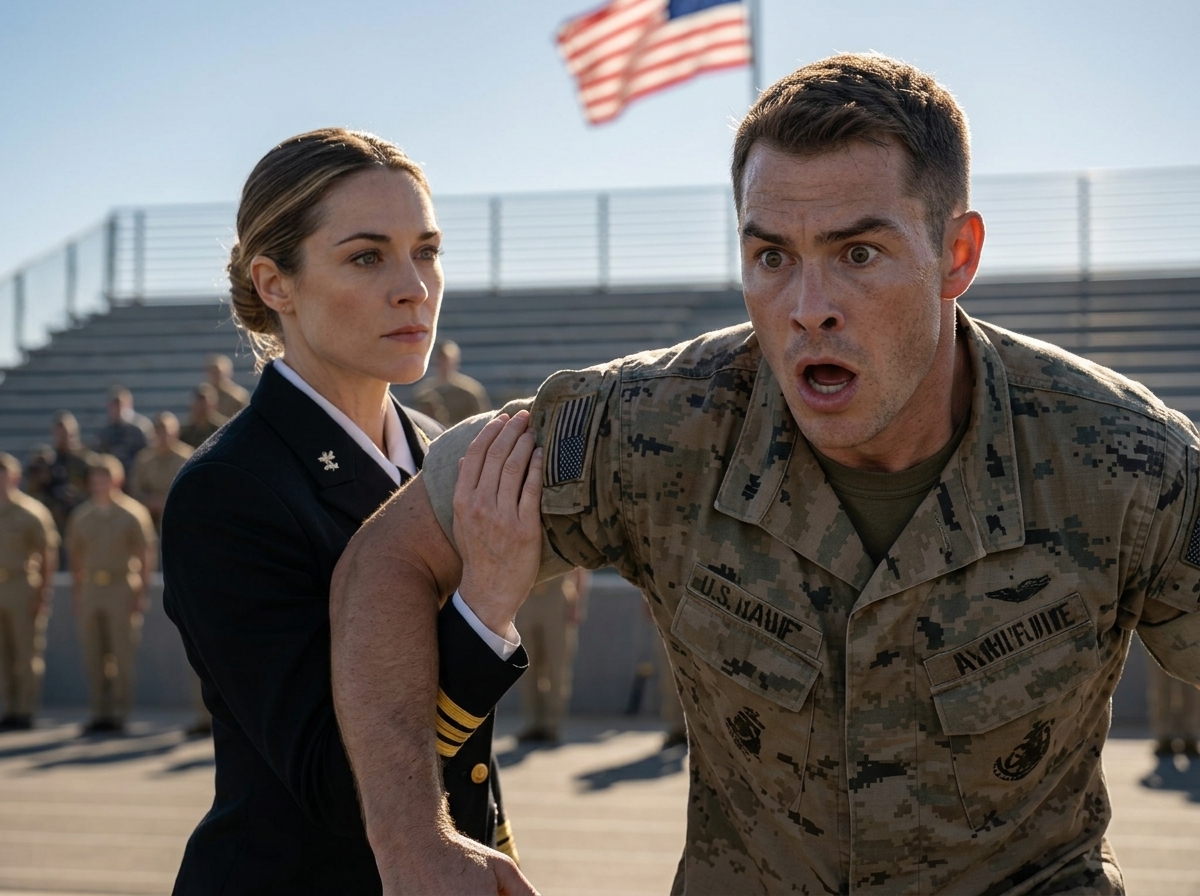
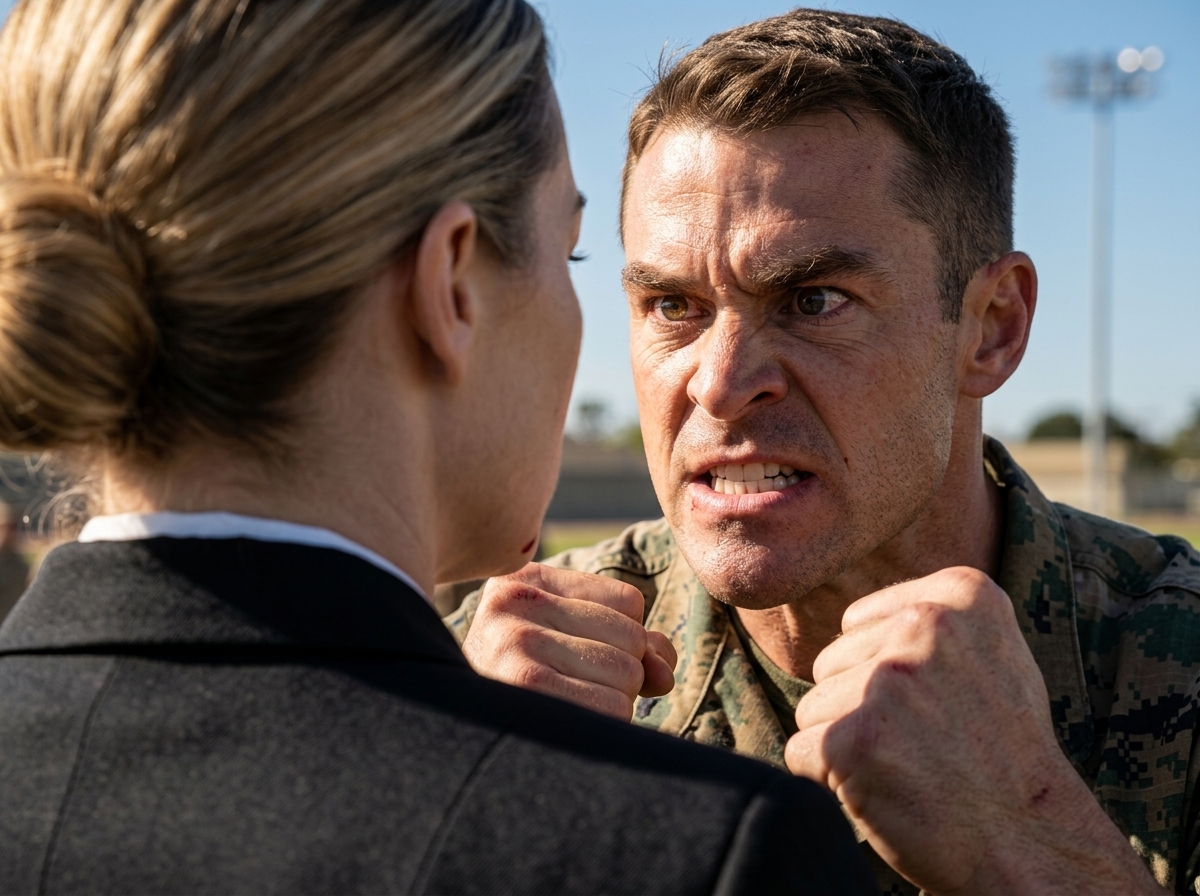
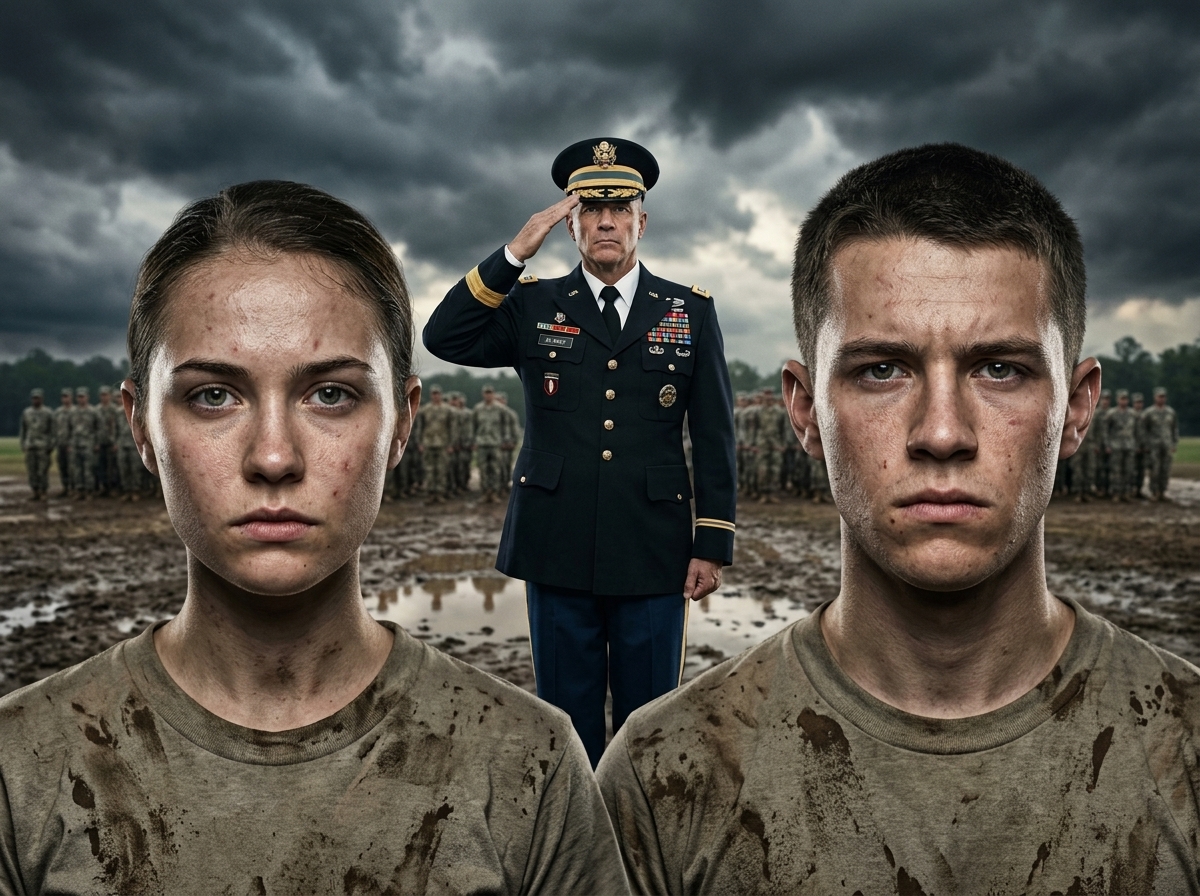
His hand came up without preamble, without words, without any of the procedural theater that usually precedes an act of public dominance. The strike was not a slap in the colloquial sense — it was a deliberate open-hand blow with his full arm behind it, calibrated for maximum sound.
The crack crossed the parade field.
I have been in rooms where the sound of a strike was worse than the strike itself, and I have been in places where the inverse was true, and I have learned in both contexts that the first thing you give an adversary after contact is absolutely nothing — no retreat, no flinch, no sound, no expression that tells them the contact achieved its purpose. I have learned this the way you learn things that are not written down anywhere, which is by being in situations where learning it was the only available option.
I did not fall.
I did not cry.
I did not touch my cheek.
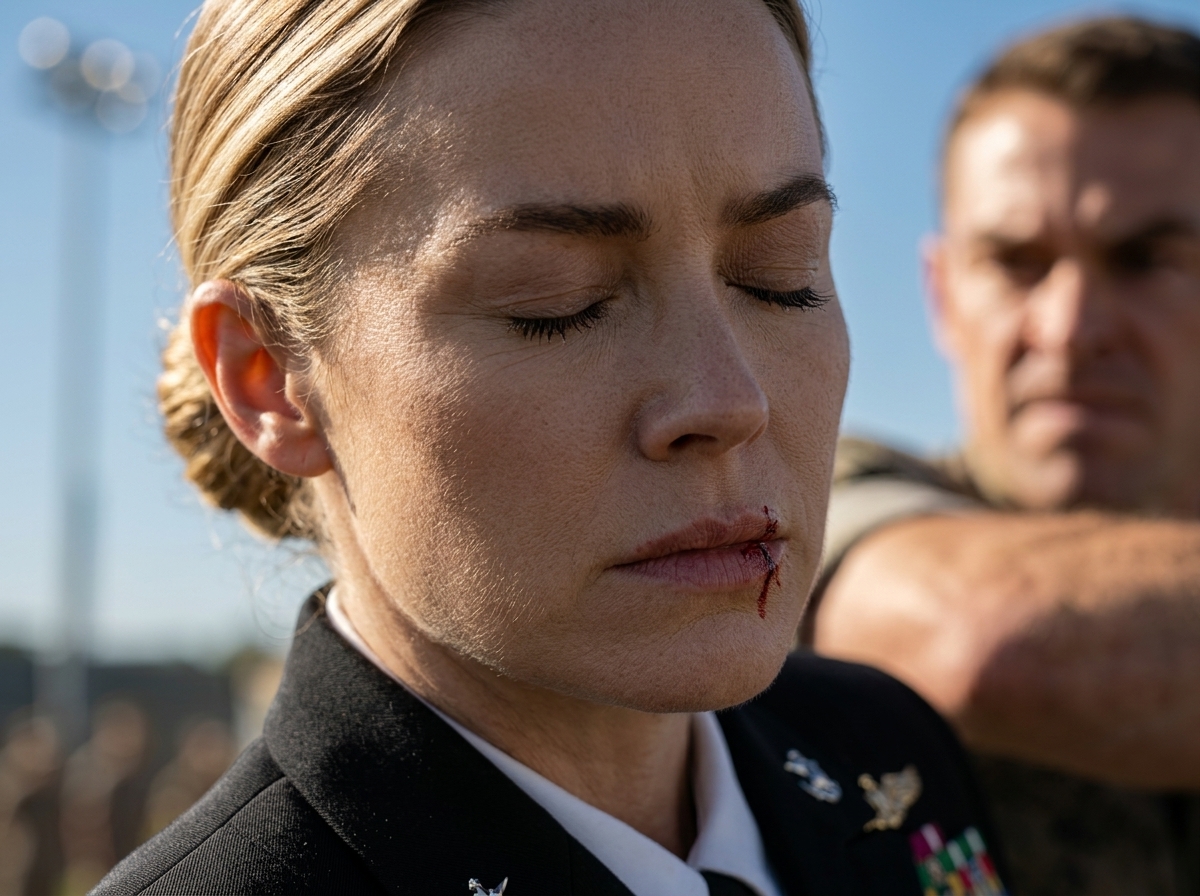
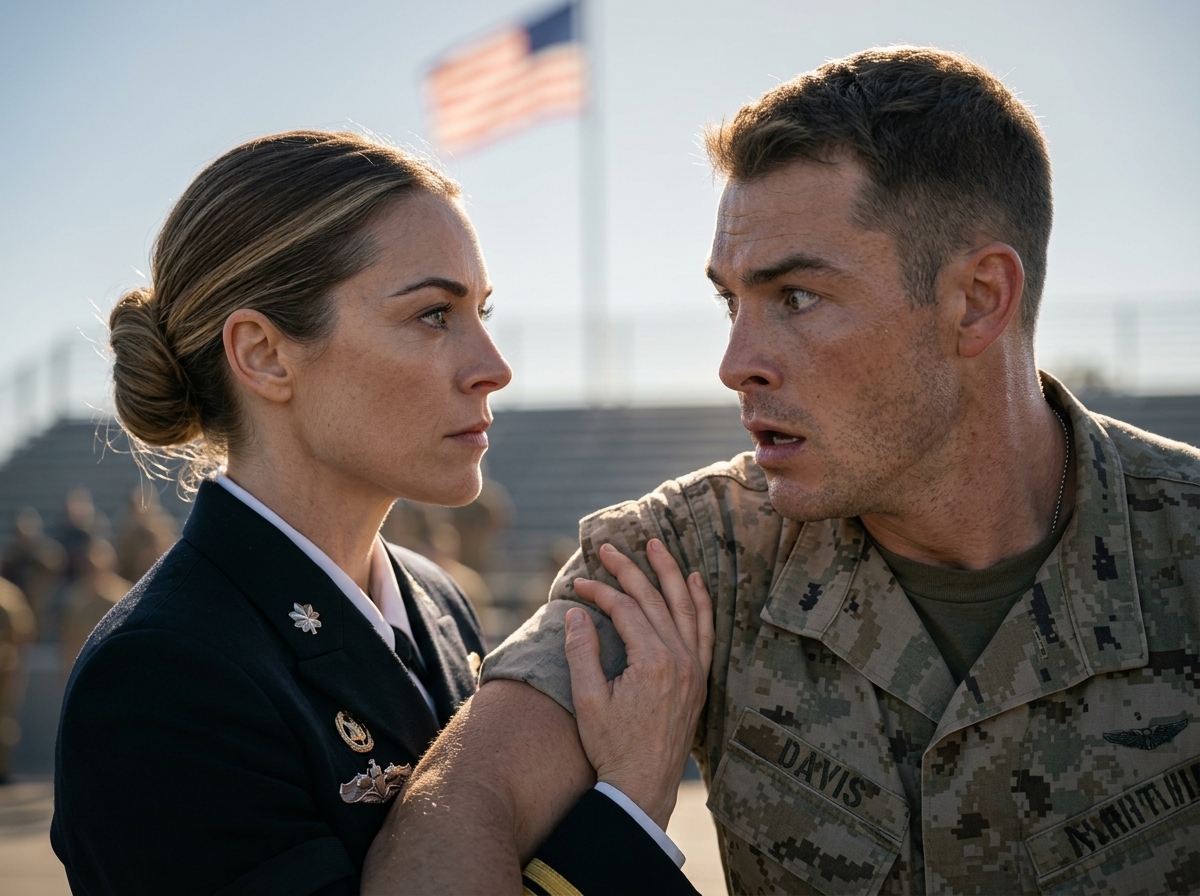
The formation was so quiet that I heard the seagull before I heard anything else — a single bird circling over the field in the specific way that seagulls circle when they have decided a location is worth investigating without yet committing to it. The American flag at the far end of the field moved in the coastal breeze. Somewhere behind me in the formation, a young private took a breath sharp enough to be audible.
I lowered my eyes.
A single drop of blood had landed on the toe of my right boot.
I looked at it. I noted it with the same quality of attention I brought to everything — specifically, without emotion, as a data point in an ongoing assessment. Then I lifted my head slowly and met Sullivan's eyes.
May you like

He had the expression of a man who has just confirmed a hypothesis he was already certain of. He leaned forward slightly, into the range of the live microphone, because the microphone was the point.
"Remember my rank," he said.