Chapter 7
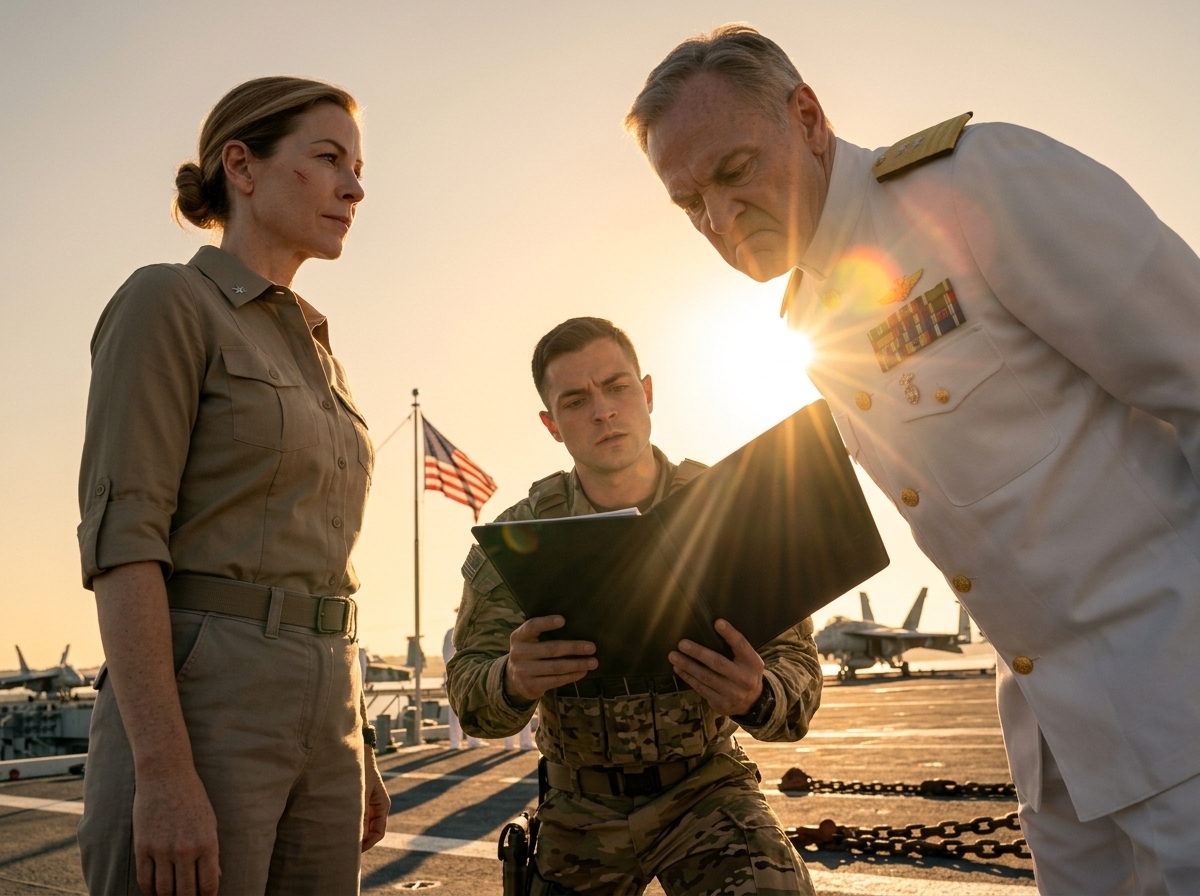
The crack of Hayes's hand against my face was on record.
My voice, quiet enough that the silence had to carry it, was on record.
I put the phone down and looked at the ceiling of the hotel room and thought about the thirty-one hours and the C-17 and the nylon strap seat and the ninety minutes of sleep and the gate at zero six forty-seven and the authorization handed over like something done a thousand times, and I thought about the eleven formal complaints that had been filed over twenty years and processed through the chain he controlled and resolved in the way they had been resolved, and I thought about the woman who had filed each one, most of whose names I had read in the investigative file and none of whom I had met.
The cheeseburger arrived.
I ate it slowly, because eating slowly after thirty-one hours requires a specific kind of discipline, and discipline was something I had been practicing since Barstow, California.
Hayes was placed on administrative hold pending formal investigation the following morning. The announcement went through official channels at oh-nine-hundred Pacific time, which meant it went through every base, every ship, every command in the Pacific fleet simultaneously, which was not standard procedure for an administrative hold but had been specifically approved because the decision had been made, at the level where these decisions are made, that the signal value of visibility applied to the resolution as much as it had applied to the notification.
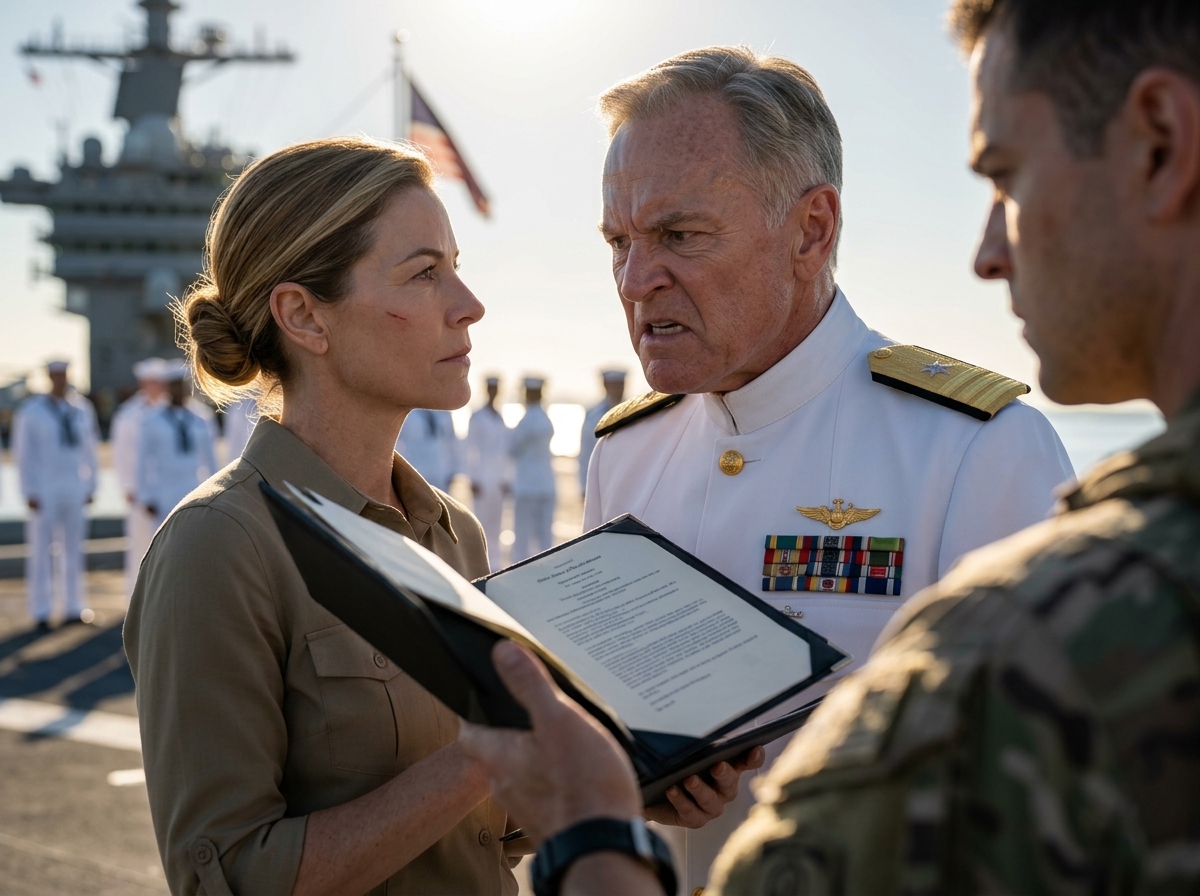
The formal proceedings took eight months. I was not the lead witness. I was one of seventeen, including three former flag officers who had been waiting, in some cases for a decade, for a proceeding that had an investigative foundation solid enough to hold weight. The parade ground recording was exhibit three. The two MPs testified. The ensign who had gone pale near the podium testified. Eleven of the twelve petty officers who had filed complaints in the preceding twenty years and could be located testified.
Hayes retired under terms that the official statement described as in the best interest of the service, which was the accurate phrasing for a man who had been given the choice between a formal court-martial and a separation that removed his command authority, his access to classified facilities, and two years of pension accrual.
He took the separation.
I was not in the room when he made that choice. I was in Djibouti, which was where the next assignment had taken me three months into the Hayes proceedings, because the work did not pause for proceedings and the assignments came when they came. I learned about the outcome from the same JSOC contact who had sent me the three-word message on the afternoon of the parade ground, this time a single sentence: it held.
I read it in a communications tent at zero four hundred local time, with a cup of coffee that was the temperature of something that had been brewed considerably earlier and had been waiting for me anyway, and I thought about two thousand sailors in dress whites under the afternoon sun, and the flags, and the sound of the harbor wind after everything went quiet.
I thought about the eleven women whose complaints had been processed and resolved.
I sent back two words: it did.
Then I put the phone in my pocket and I picked up the folder on the table in front of me, a different folder, a new operation, new authorization, different station, different problem, the same work.
I had been awake for twenty-two hours.
I walked out of the tent and into the Djibouti morning, which was already hot in the specific way of places that do not negotiate with the sun, and I had eleven hours before the briefing and I used two of them to sleep, because that was what was available and available was sufficient.
The work was what it had always been.
May you like


I was the person who had always done it.
Those two things had not changed.