Chapter 4
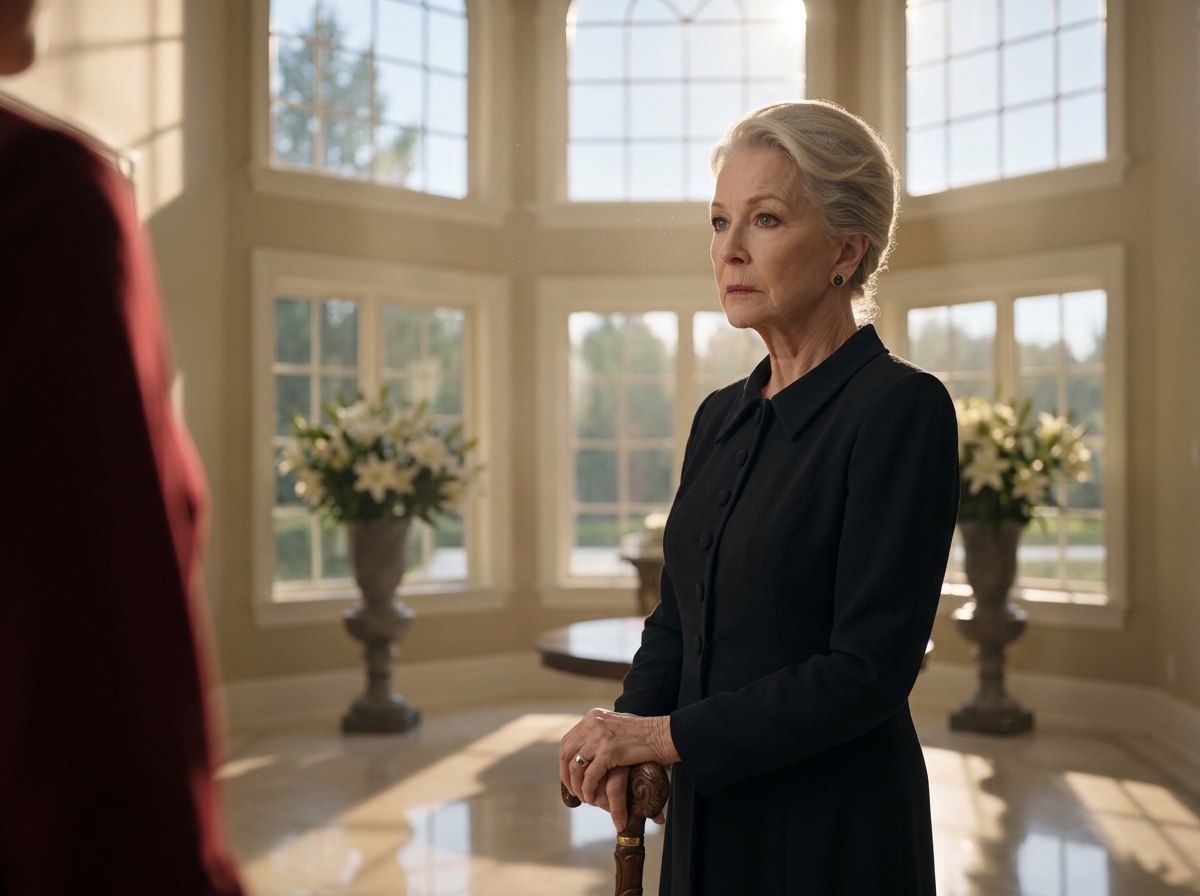
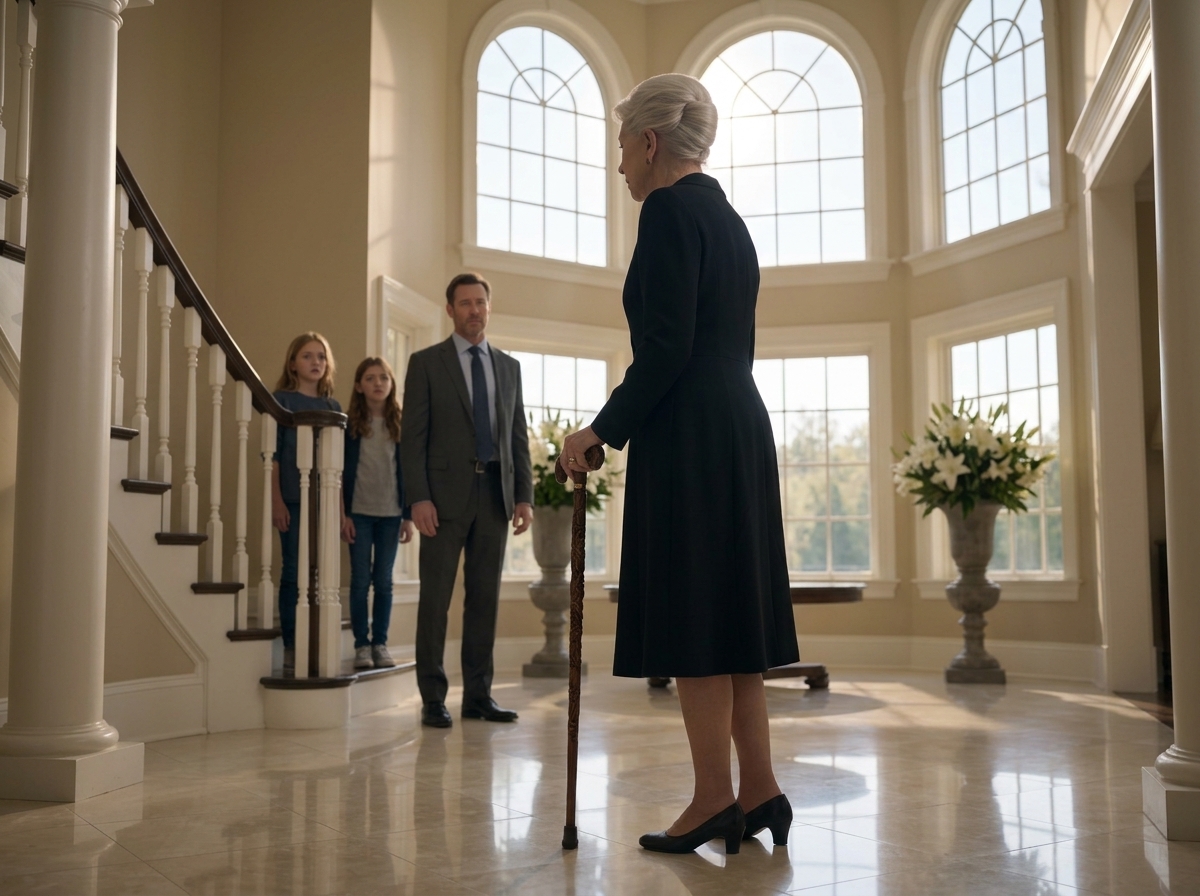
For three weeks, I played the role Jennifer had assigned me. I folded laundry I didn't have to fold. I ate dinner standing at the kitchen counter after the family had already been served. I slept eleven feet from a dog bed and told myself every single night that patience was not the same thing as weakness. Jennifer grew bolder with each week that passed, the way cruelty always does when it meets no resistance. She started introducing me to her friends as "Matthew's mother, she's staying with us for now," in a tone reserved for temporary inconveniences. She asked me to scrub the grout in the guest bathroom the same week she hired a landscaping crew to redo the koi pond.
I said nothing. I watched. I waited for the attorney's office to open.
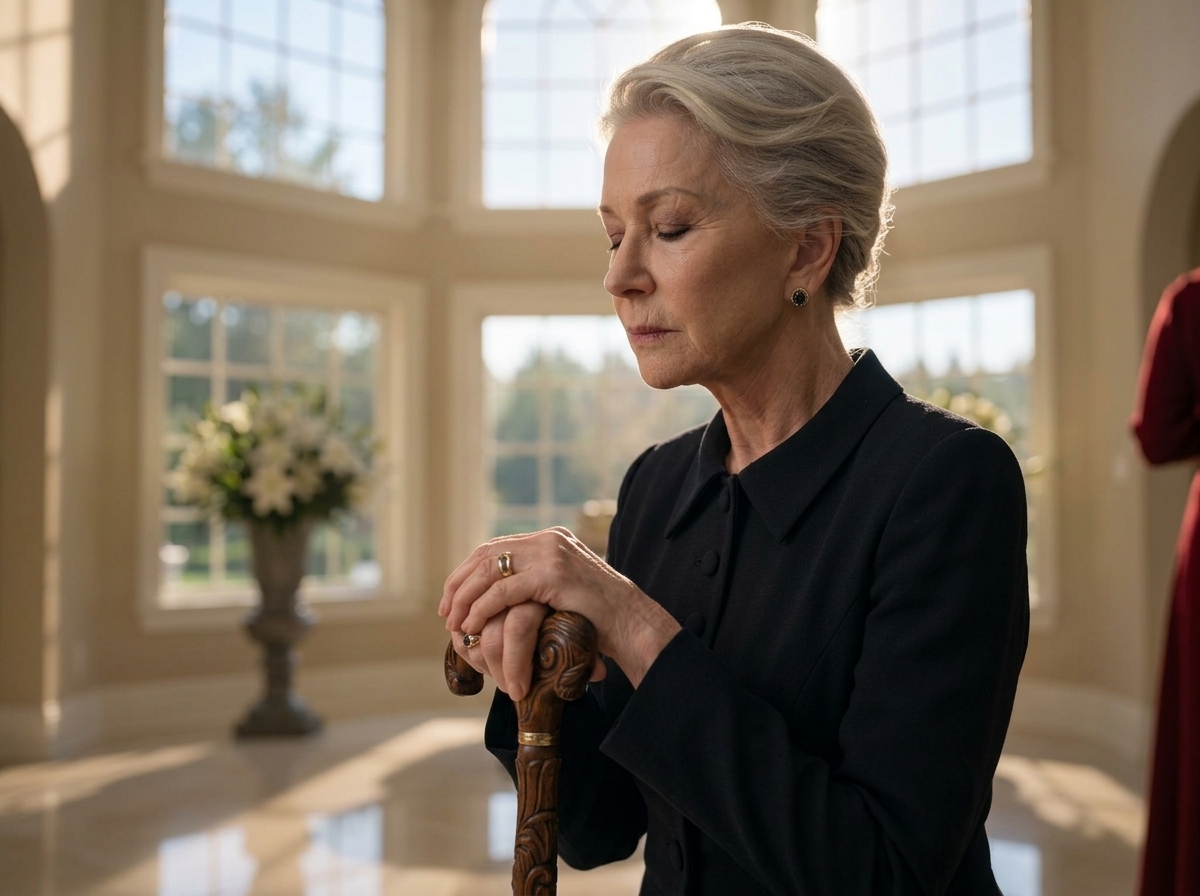
On a Tuesday morning in November, five weeks after the funeral, I told Jennifer I had a doctor's appointment, and I drove myself to the downtown office of Charles Whitfield, Robert's attorney of thirty years, a man with silver hair and a handshake like a promise kept. He'd already reviewed everything. He'd already prepared everything. He simply looked at me across his mahogany conference table and asked one question.
"Are you ready, Evelyn?"
I told him I was.
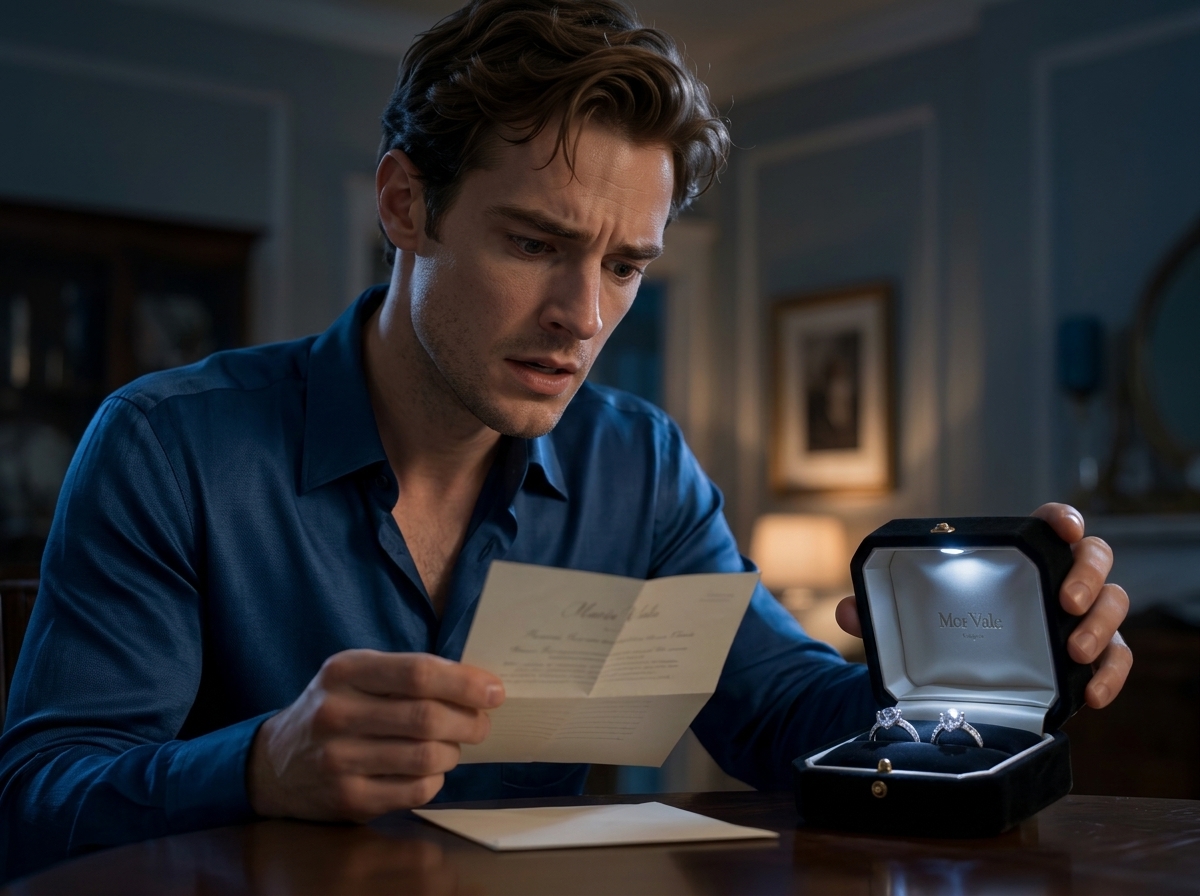
He picked up his phone and asked his assistant to send the certified letters that afternoon, one addressed to Matthew, one addressed to Jennifer, requesting their presence at his office in exactly seven days for what the letter called "a formal reading regarding the Brooks Family Trust and associated real property holdings."
May you like

I went home that evening and slept in the little room by the garage for the last time, though Jennifer didn't know that yet.
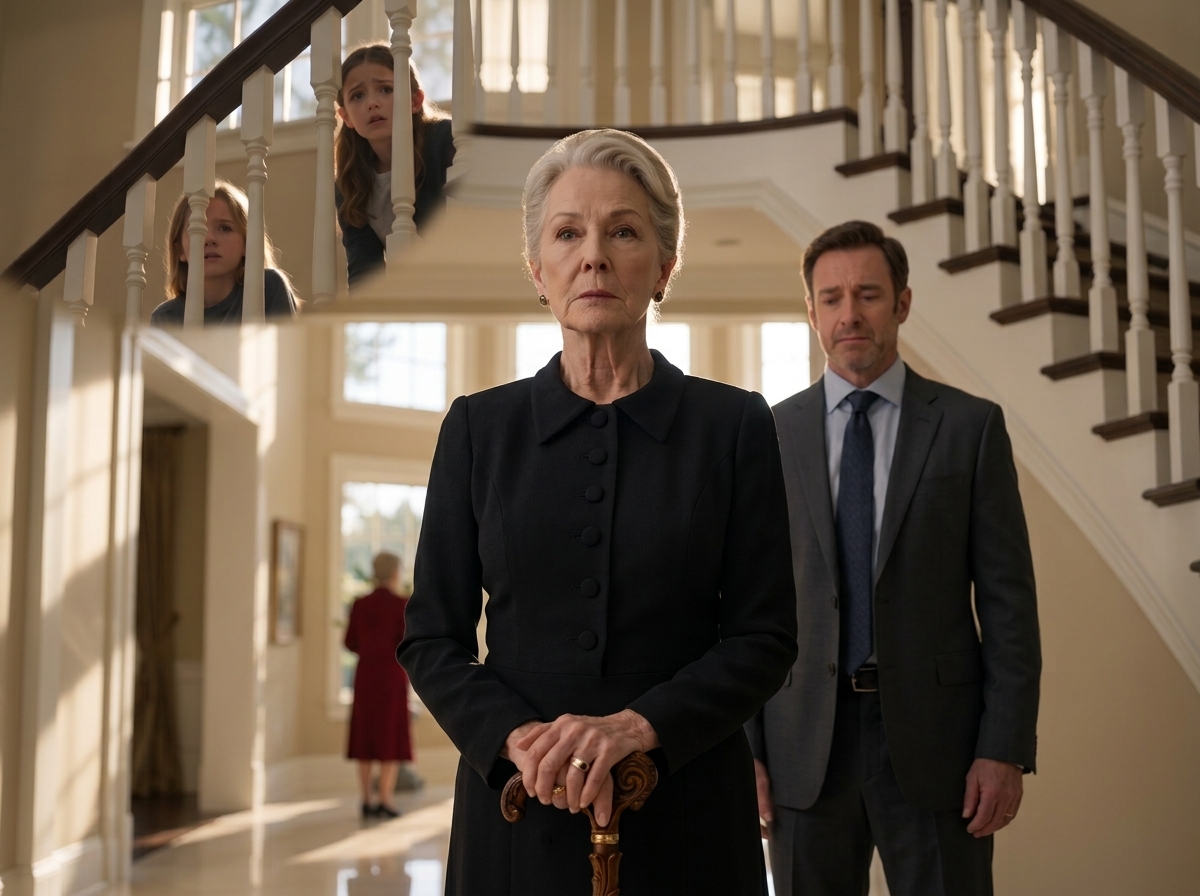
Seven days later, I walked into Charles Whitfield's office wearing a soft blue dress instead of black, my hair done, a strand of pearls Robert had given me on our thirtieth anniversary resting at my collarbone. Matthew and Jennifer were already seated when I arrived, Jennifer scrolling her phone with visible impatience, Matthew looking like a man who suspected, for the first time, that something had gone very wrong somewhere and he simply hadn't located it yet.