Chapter 4
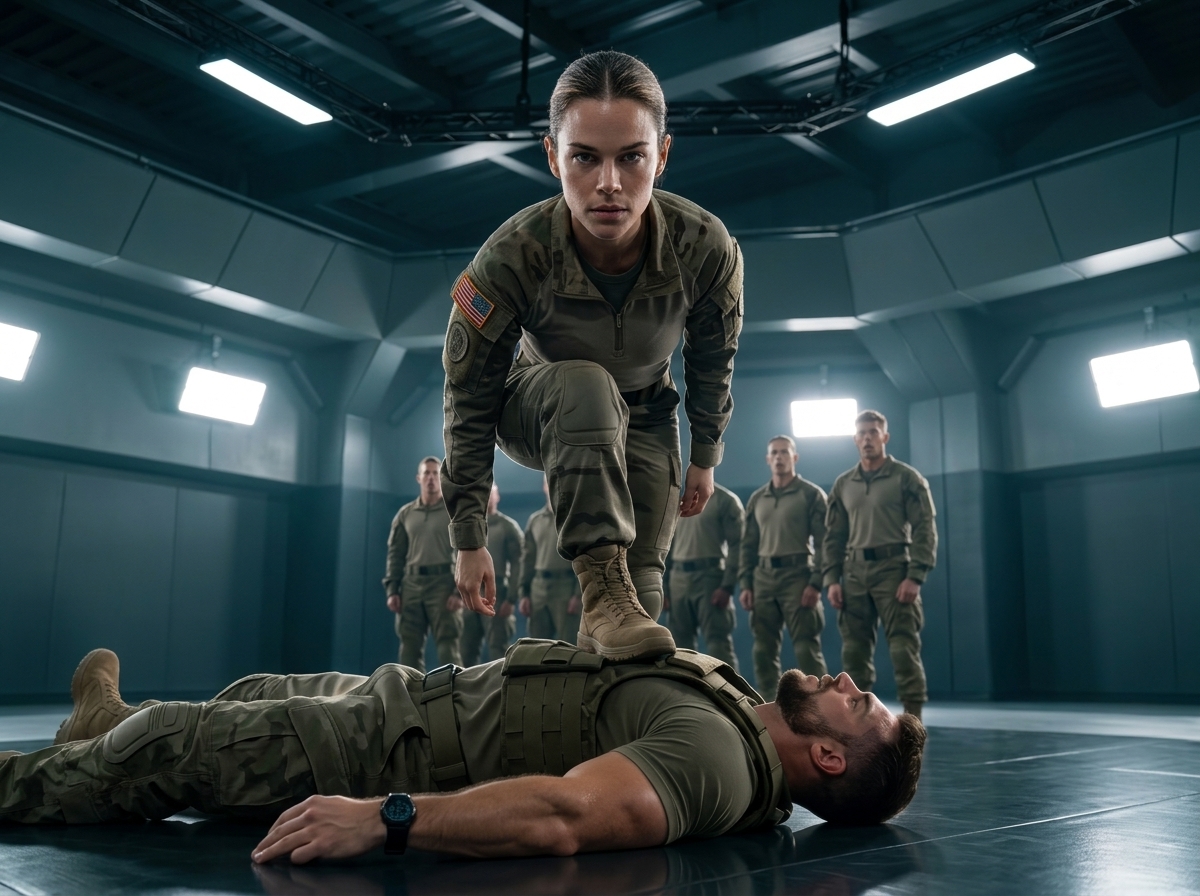
The trainees did not move immediately. They looked at me. They looked at the sensor board. They looked at Kane, and in the looking at Kane they saw something that the preceding thirty seconds had made visible that the preceding seven months had not — the specific difference between a man who understood the system he was teaching and a man who had been teaching the performance of a system he had never fully examined.
I walked back to the console and picked up my gloves.
Torres was looking at me with the expression of someone who is going to have questions later and has the good judgment to understand that now is not the time for them.
I pulled on the left glove and then the right and checked the calibration feed. The left bank was still running two percent low on the upper sensor row. I picked up the wand and went back to the work.
What Colonel Pike did over the following six weeks was thorough and specific and produced a record that the facility's oversight board found unambiguous. The physical contact with the tablet — witnessed by thirty trainees, recorded in full by the sensor panels I had calibrated, documented in Torres's contemporaneous log — was the most visible element of a pattern that the review identified as extending across four cohorts and nineteen months. Three trainees from previous cohorts had filed informal complaints that had been administratively processed in ways the review found insufficient. One had requested transfer mid-cohort without stating a reason; the review found the reason in his interview and added it to the record.
Kane was removed from his command position six weeks after the Chimera Run. He was reassigned to a non-training administrative role pending a formal review process that his attorney was attempting to manage and that the documentation made difficult to manage. I was told about the reassignment by Pike, who stopped by the console room on a Tuesday morning and delivered the information in the economical way of a man who respects the person he is delivering it to.
He also told me my cover assignment had been completed, which I already knew, and that my formal evaluation report on the facility's readiness assessment program would be due to his office before the end of the month, which I also already knew but acknowledged.
"You could have told me sooner," he said. "About the hip."
"The hip wasn't the problem," I said. "The problem was that nobody in this building had been corrected in public in long enough that they had forgotten it was possible."
Pike looked at the arena floor below the console room window. At the chamber door. At the sensor board that was still displaying the run from six weeks earlier because Torres had preserved the record and nobody had cleared it.
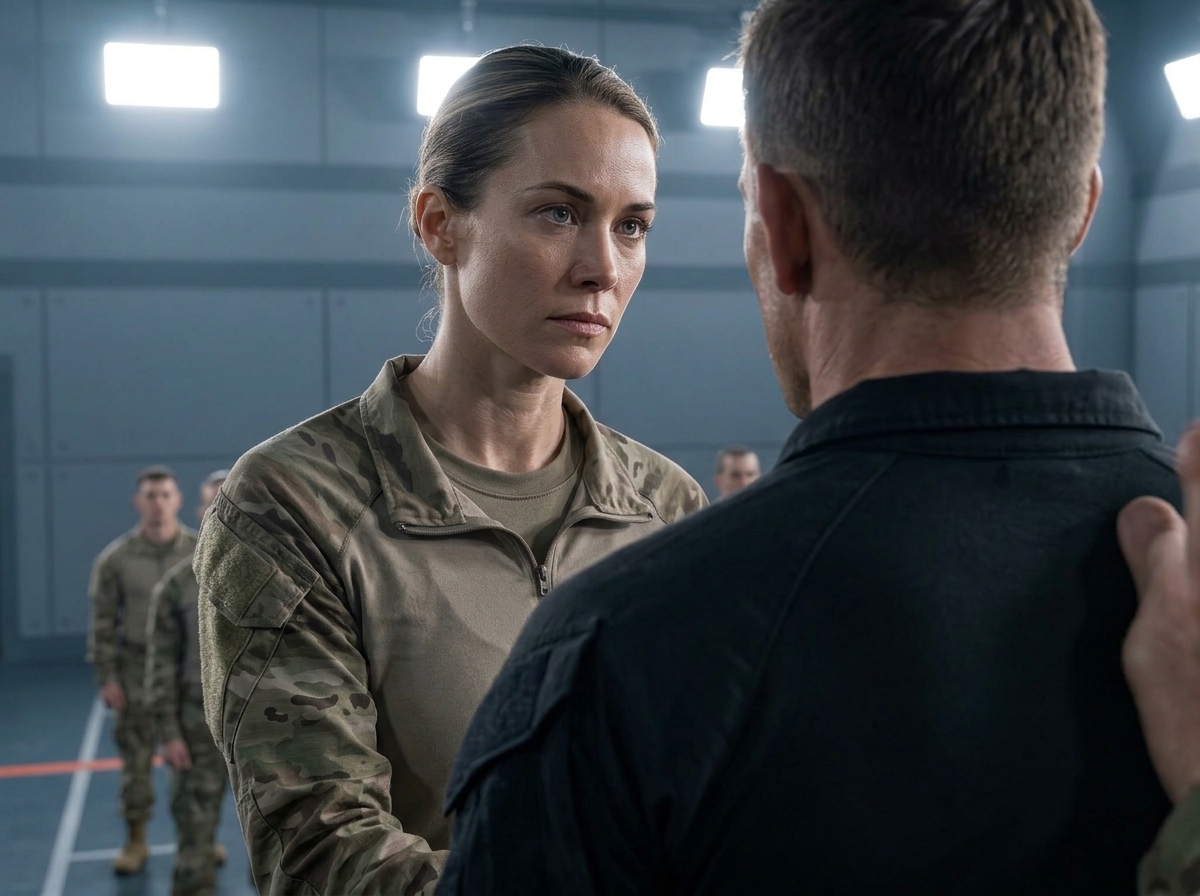
"Eleven seconds," he said.
"The wiring on the left bank was two percent low," I said. "Might have cost me half a second."
He almost smiled. "Get me the evaluation by the thirty-first."
He left.
I went back to the calibration.
The work was the same work it had always been. The room was the same room. The sensor grid read the same data it had always read — accurately, without preference, without caring whose performance it documented or whose it exposed. That was what I had always liked about the sensors. They did not adjust their output based on who was watching.
I had been at the Crucible for seven months.
May you like
I had calibrated every system in the building twice.
I was going to calibrate them all a third time before the evaluation was due, because the third pass always found what the second pass missed, and the second pass always found what the first pass missed, and some things only become visible when you have been patient enough to look at them from every angle available.