Chapter 1
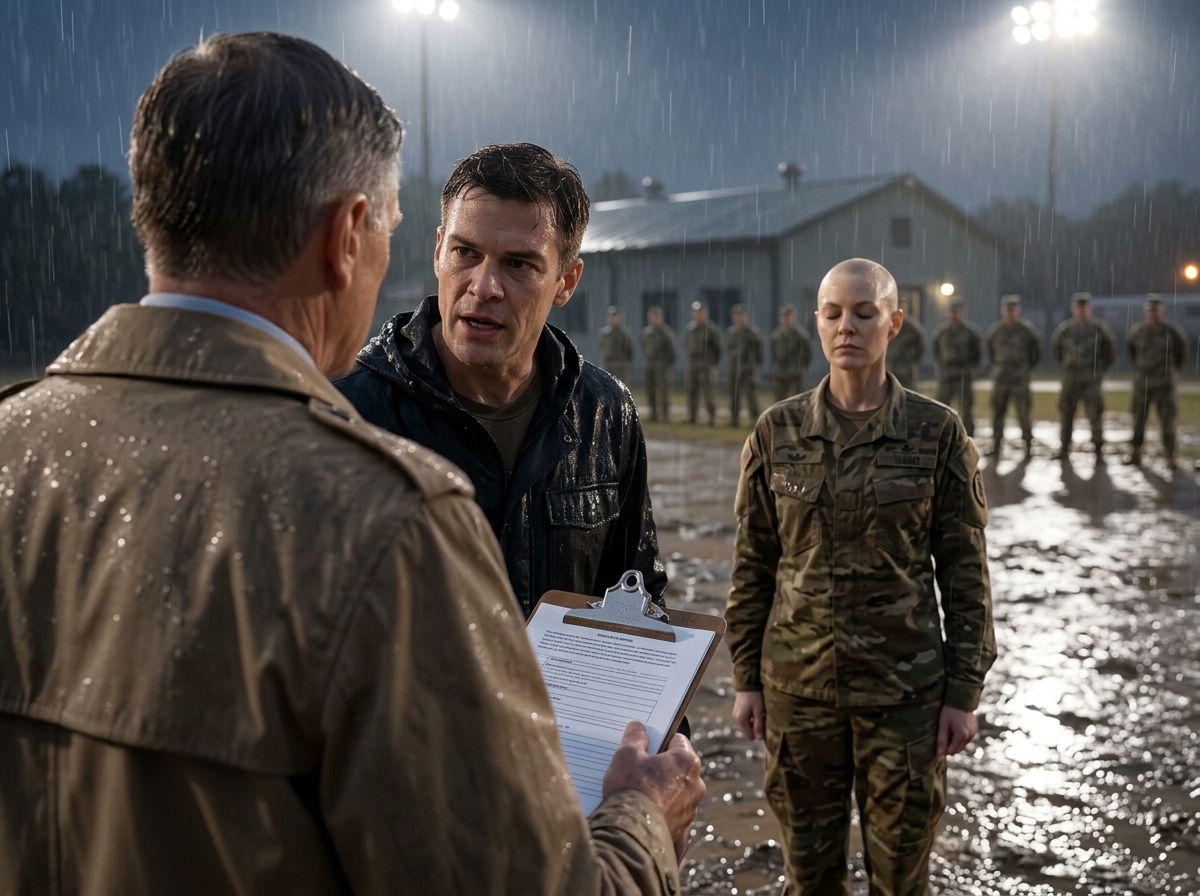
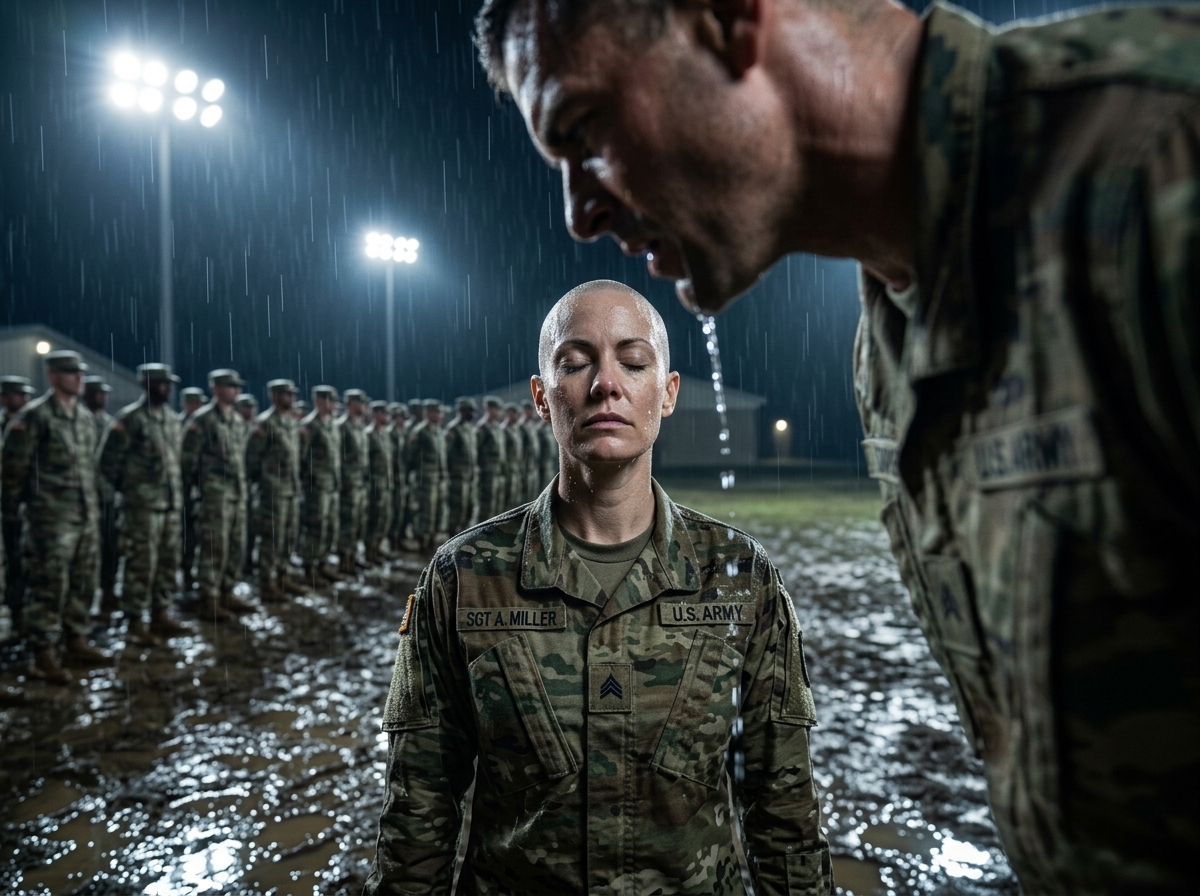
My name is Avalene Crossmore, and I arrived at Black Ridge carrying one duffel bag and a transfer sheet so clean it looked like an accusation.
That was intentional.
The blank paper was the point. The Joint Special Operations Command evaluation protocol for systemic command culture assessments required an evaluator to arrive without any identifying documentation that could be cross-referenced against personnel databases accessible to base-level staff. What Knox saw when he looked at my intake sheet was absence of history, which he immediately converted into absence of value, because that was the specific equation his career had been built on. A file with nothing in it meant a person with nothing in them. He had been operating on that logic for long enough that it had stopped feeling like an assumption and started feeling like experience.
I had requested Black Ridge specifically.
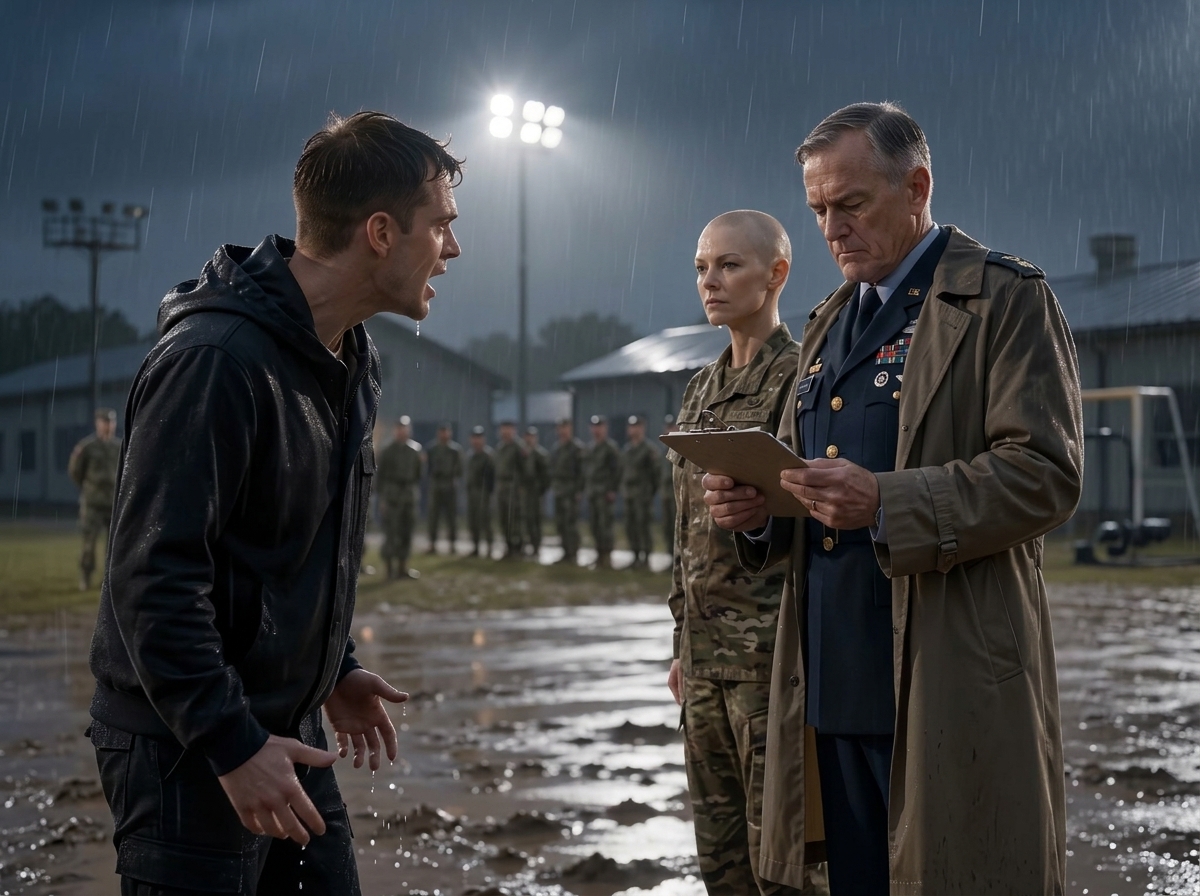
The complaint file had reached the JSOC evaluation office through three separate channels over fourteen months, each one independent of the others. A medic who had rotated through and submitted a written account through the Inspector General's office that was technically received and formally stalled. A JAG officer who had filed a supplementary note that was routed to a command review committee that shared two members with the command structure being reviewed. And a recruit named Jenkins, twenty-two years old from Pensacola, who had submitted a handwritten account to a congressman's office that had eventually made its way, through three intermediary offices and one staffer who knew someone who knew someone in the right corridor, to the desk of the deputy director of command culture oversight, who had looked at it and picked up the phone.
That phone call had produced my orders.
The orders had produced the blank transfer sheet.
May you like


The blank transfer sheet had produced Knox's smile when he saw it at intake.
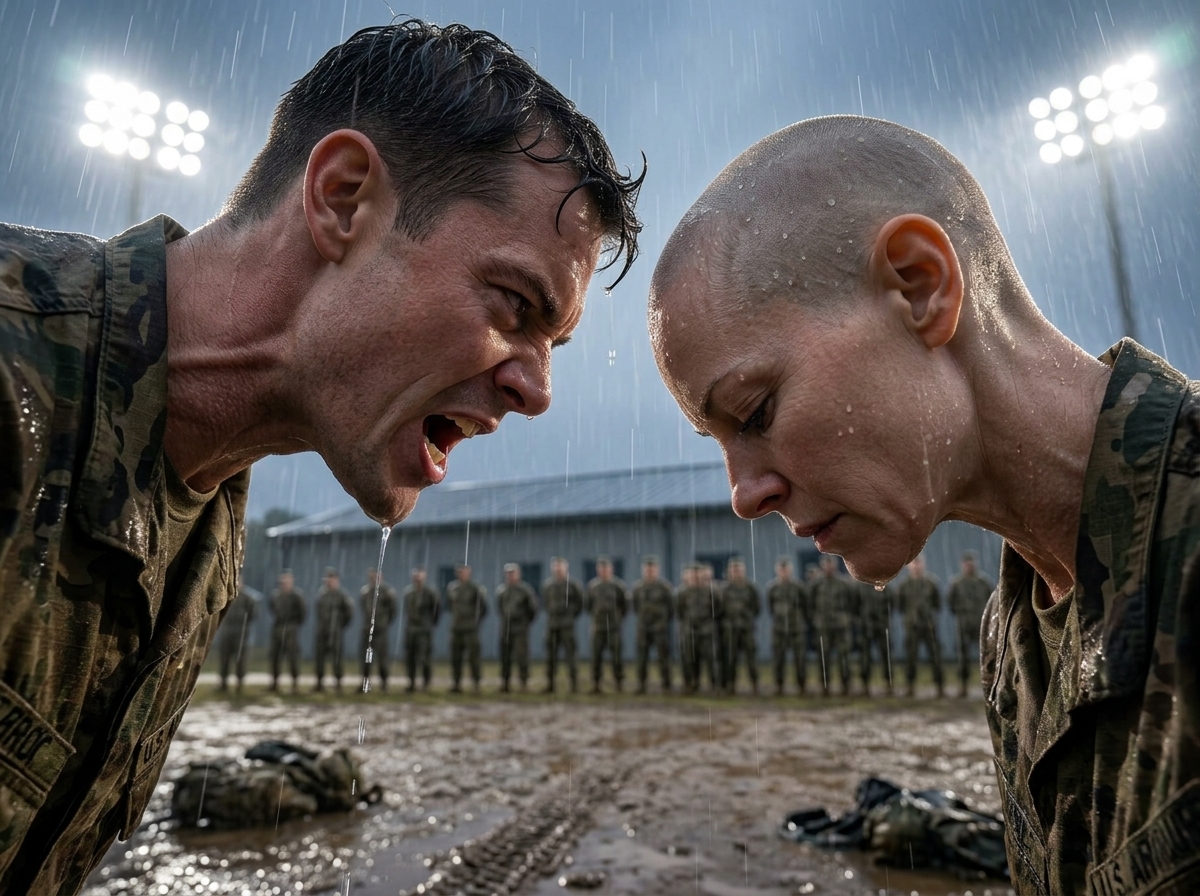
He processed me the way he processed everything he believed was unprotected, which was thoroughly and with an audience, because the humiliation was more efficient when it was witnessed. The wet bunk was not an accident. The tripped tray at breakfast was not spontaneous. These were the opening movements of a system that had been running long enough to have its own rhythm, its own internal logic, its own escalation sequence, and Knox was the instrument of it in the way that a man becomes the instrument of something when he has been permitted to be that thing for long enough that he cannot remember being anything else.