Chapter 5
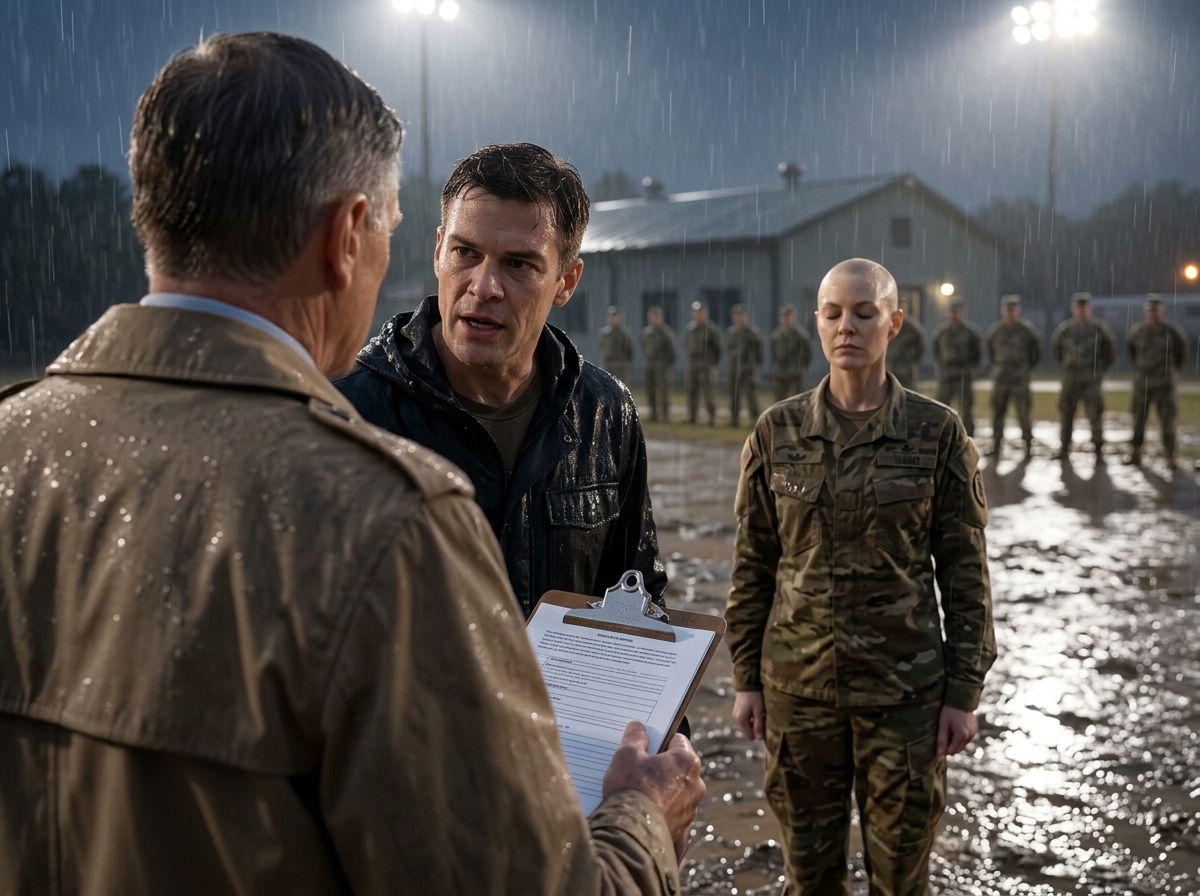
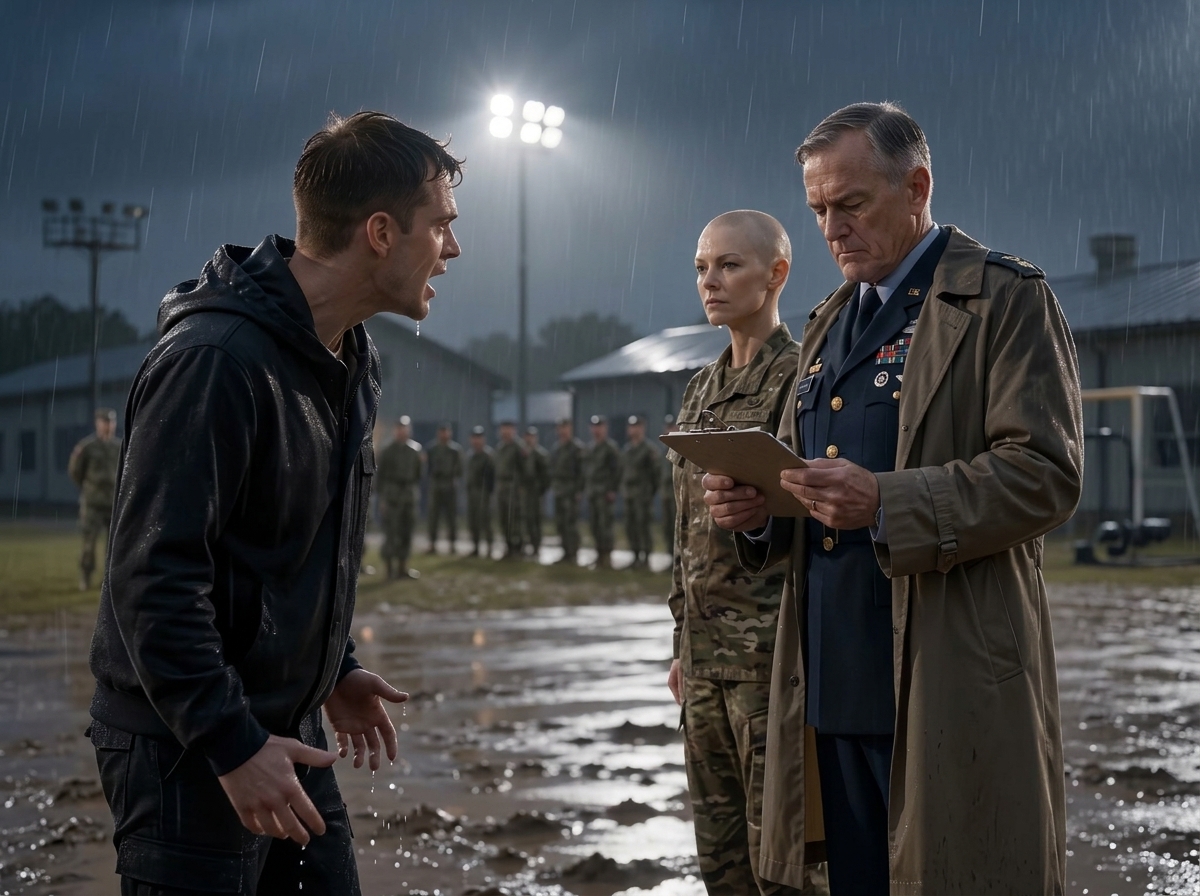
The formal review convened the following week. I submitted my documentation in the sequence and format the protocol required, which was seventeen pages of specific incidents in chronological order with supporting evidence from the recording devices embedded in the equipment I had been issued at intake, because the blank transfer sheet was blank but the equipment was not ordinary. Knox's narration of the shearing was on record. Crowell's invented demerits were on record. The burning of the letter was on record with audio.
The recruits who had laughed were interviewed separately by IG investigators who had been trained specifically to distinguish between individuals who had laughed out of genuine cruelty and individuals who had laughed because the alternative felt dangerous in a command environment where cruelty had been normalized. That distinction mattered for the outcome, and the outcome for each person was different, and the differentiation was intentional.
Jenkins testified. I had requested that he be given the opportunity, not as a requirement but as an option, and he had chosen to take it, and the testimony he gave was specific and accurate and cost him something to say, and I noted in my final report that his testimony should be treated as the act of considerable courage that it was, from a twenty-two-year-old from Pensacola who had written a handwritten account to a congressman's office and had not known whether it would reach anyone.
It had reached me.
Knox was separated from service. The process took four months and was not clean, because processes of that kind are rarely clean, and he had accumulated the specific kind of institutional protection that comes from having spent years in proximity to the command structure he had been serving. But the documentation was what it was, and the recording was what it was, and the cumulative weight of the evidence was not a thing that the protection was sufficient to bear.
May you like

Crowell received a formal reprimand and reduction in assignment authority, which was the outcome the evidence supported for his specific role, and which I did not argue with, because my job was to document accurately and to recommend proportionally and not to determine that every outcome needed to be the same outcome.
The recruits were assessed individually. Most of them were fine. Most of them had arrived at Black Ridge because the military was what they had decided to do with their lives, and they had found themselves in a command environment that they had not had the rank or the standing or the experience to resist, and the evaluation found that the environment was the primary problem and not the people it had produced.